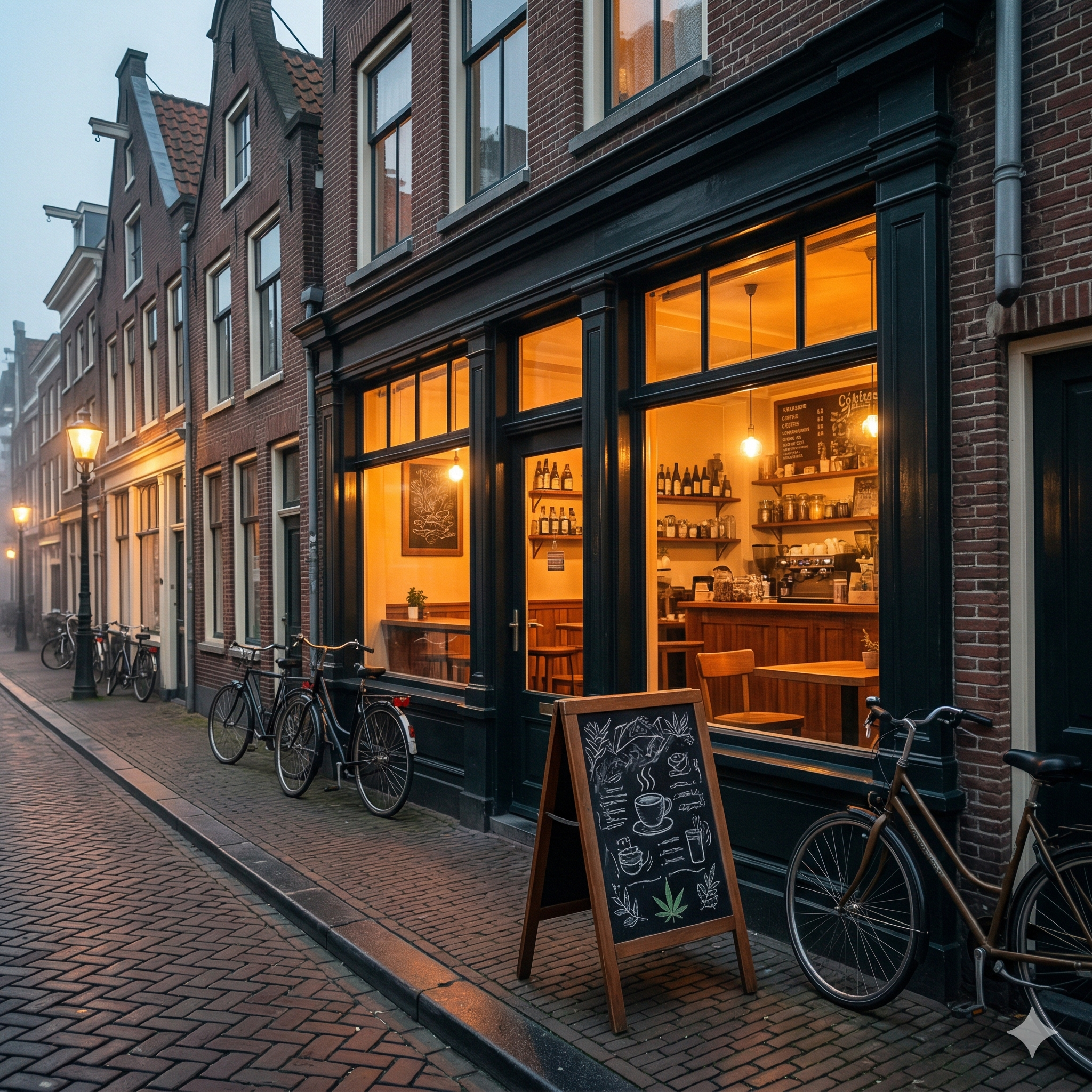
Groningen, one of the 10 municipalities participating in the Dutch wietexperiment, is planning to increase its number of coffeeshops from 7 to 10. The city is also overhauling how new coffeeshop licenses are awarded, replacing its old lottery system with a quality-based selection process.
The move comes after the upcoming closure of coffeeshops De Dees and Driemaster on May 1, which will leave the city with just seven locations. For a city of 244,000 residents, Groningen's municipal government considers that number too low.
Research Recommends 7 to 14
Research bureau Breuer Intraval, commissioned by the municipality, studied the optimal number of coffeeshops for Groningen and recommended a range of 7 to 14. The city chose 10 as its target.
Mayor Roelien Kamminga (VVD) explained the reasoning in an interview with local news platform Sikkom: "We don't want to aim for the minimum. If one then falls away, it becomes problematic because the remaining shops get too crowded. A low number of shops also encourages street dealing. Fourteen we consider too high. That is why we are aiming for ten."
Quality Over Luck
Until now, new coffeeshop licenses in Groningen were awarded through a lottery. The last time this happened was in 2017. Under the new policy, the city will use a qualitative selection procedure instead. The applicant with the best business plan gets priority.
Mayor Kamminga confirmed the shift: "It will be a qualitative selection process. The one with the best plans gets first consideration." This approach mirrors a broader trend in Dutch coffeeshop policy, where municipalities are increasingly moving toward merit-based licensing to raise standards in the industry.
New Rules for New Shops
The policy changes go beyond the licensing process. New coffeeshop licenses will be valid for 15 years instead of indefinitely, giving the municipality regular opportunities to reassess whether operators are meeting their obligations.
New coffeeshops must open at least 100 meters from an existing one to prevent clustering. Terraces will not be permitted at new locations. Earlier plans to relocate coffeeshops to industrial estates have been scrapped entirely. According to the municipality, there is actually very little nuisance around the current coffeeshops in the city center, making the industrial relocation unnecessary.
Part of a Bigger Picture
Groningen's expansion plans come at a significant moment for Dutch cannabis policy. Just two days ago, the Dutch House of Representatives voted with a nearly three-quarter majority to continue the wietexperiment, defeating a motion to stop the program. The vote confirmed that political support for regulated cannabis production in the Netherlands is stronger than ever.
Now, one of the 10 participating cities is actively expanding its coffeeshop network rather than shrinking it. The message from Groningen is clear: the regulated model is working, and the city wants more of it, not less.
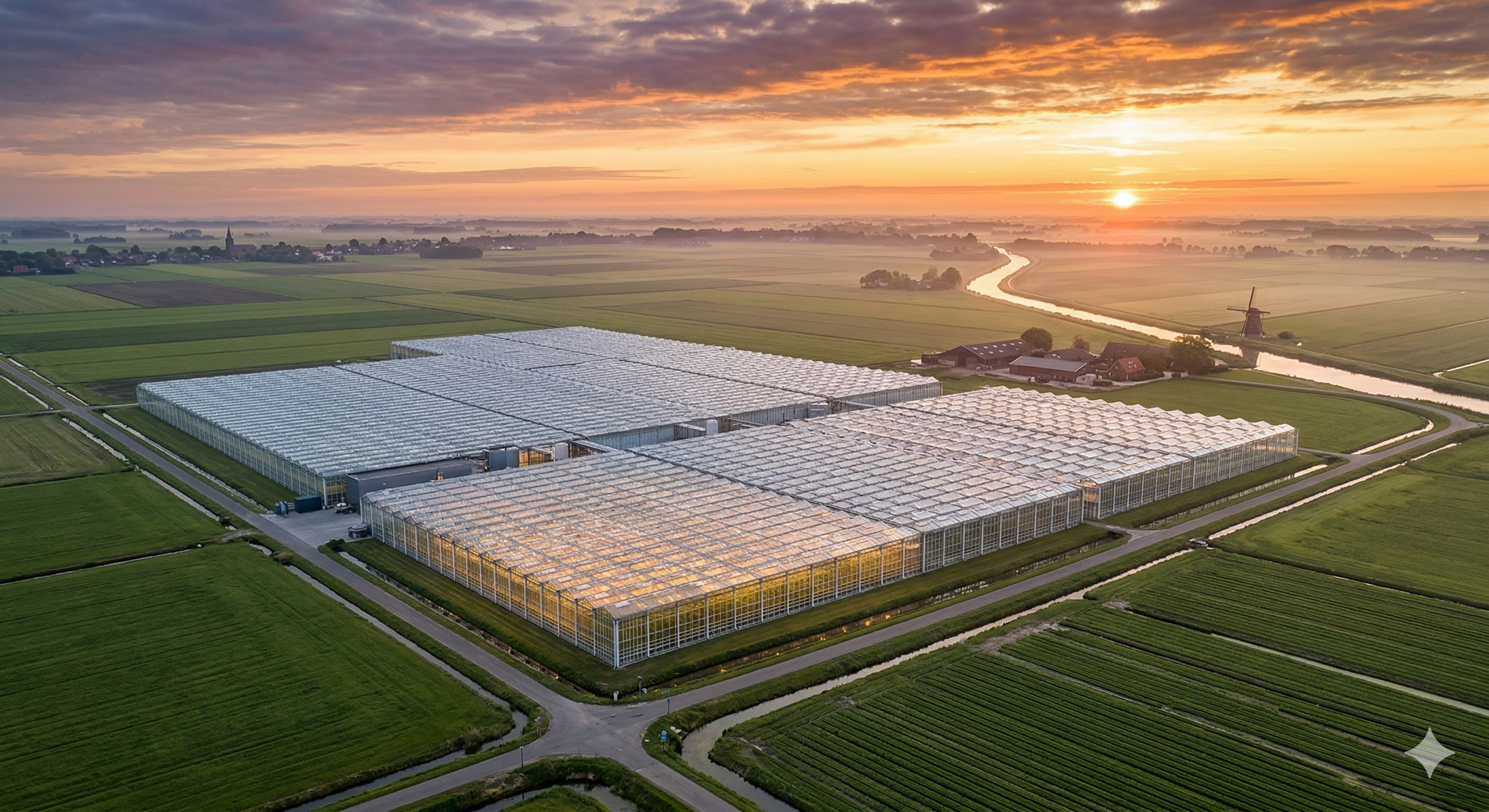
The wietexperiment currently operates in Tilburg, Breda, Arnhem, Nijmegen, Groningen, Zaanstad, Almere, Maastricht, Hellevoetsluis, and Voorne aan Zee. Ten licensed producers supply all coffeeshops in these municipalities with legally grown, quality-controlled cannabis. The experiment runs until 2029, with the first major assessment expected in mid-2026.