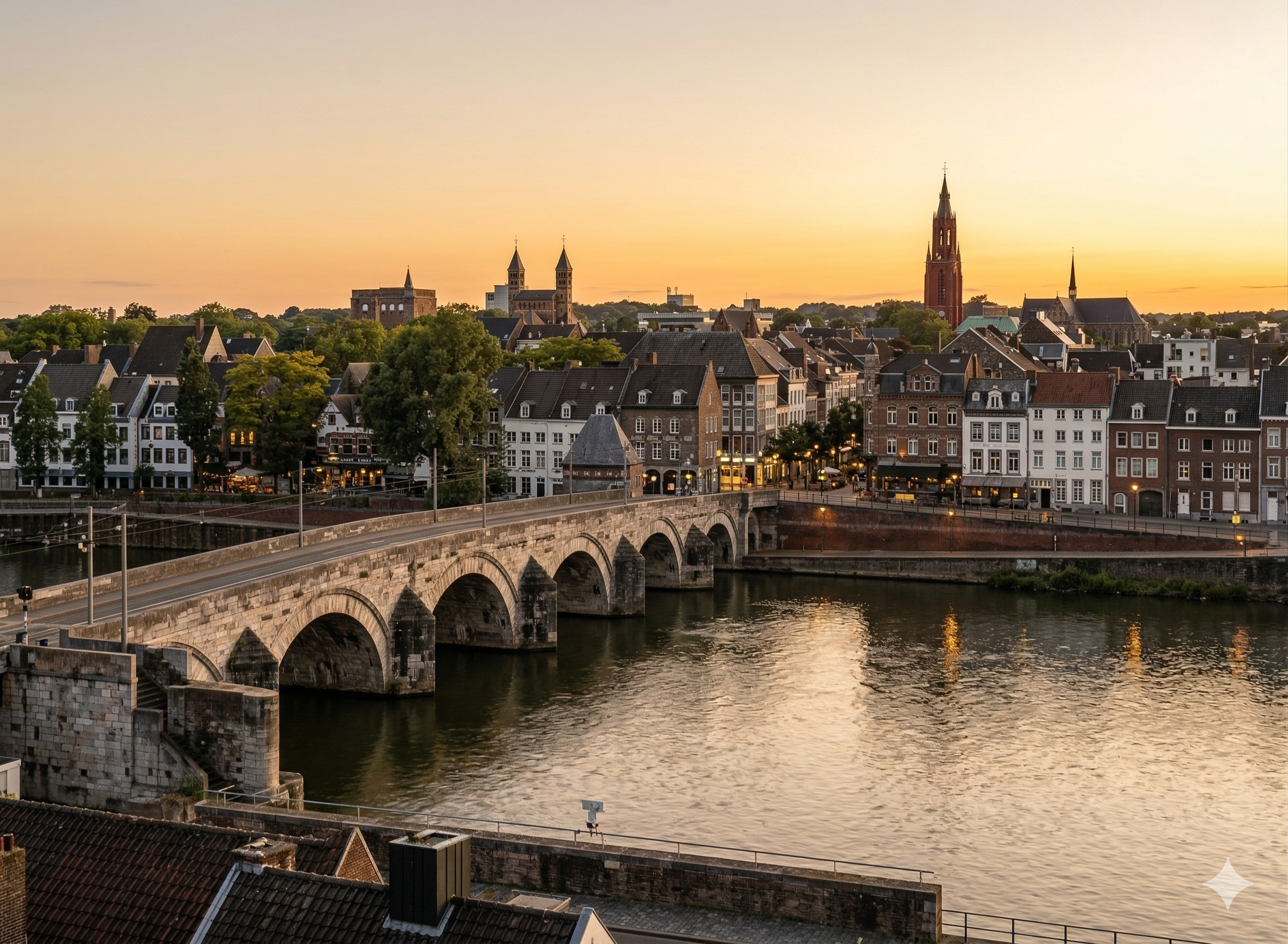
On April 1, 2024, Germany's Cannabis Act (KCanG) came into force, legalizing cannabis possession and home cultivation for adults. Exactly two years later, the second official EKOCAN evaluation has been published, running to 222 pages and providing the most comprehensive assessment yet of Europe's largest cannabis reform.
The evaluation was conducted by a research consortium led by the University Medical Centre Hamburg-Eppendorf, in cooperation with researchers from the universities of Dusseldorf and Tubingen. It was commissioned by the German Federal Ministry of Health and covers three mandated areas: child and youth protection, public health, and cannabis-related crime.
Crime Down 80%
The most striking finding is the collapse in cannabis-related criminal offences. Cannabis crimes dropped by 80% from the first quarter of 2024 to the remainder of the year. The number of cannabis-related offences fell from almost 174,000 cases in 2023 to just under 62,000 in 2024, according to the German Institute for Economic Research (DIW). The EKOCAN researchers describe this as the most significant decriminalization in the history of the Federal Republic of Germany.
For cannabis consumers, the risk of criminal prosecution has largely ceased to exist. While new infractions were introduced under the law, such as consumption in the presence of minors or growing more than three plants, they remain a small fraction of total cases.
Youth Use Still Declining
The biggest fear of legalization opponents was that cannabis use among young people would spike. The data shows the opposite. Youth cannabis use has continued a declining trend that began in 2019, entirely unaffected by the legalization. Among teenagers, awareness of the risks associated with cannabis remains high.
The German Cannabis Business Association (BvCW) summarized the findings: "No increase in cannabis use is apparent, youth use is declining, and the black market has been partially reduced. The law has proven that responsible regulation and effective youth protection go hand in hand."
Europe's Largest Legal Cannabis Market
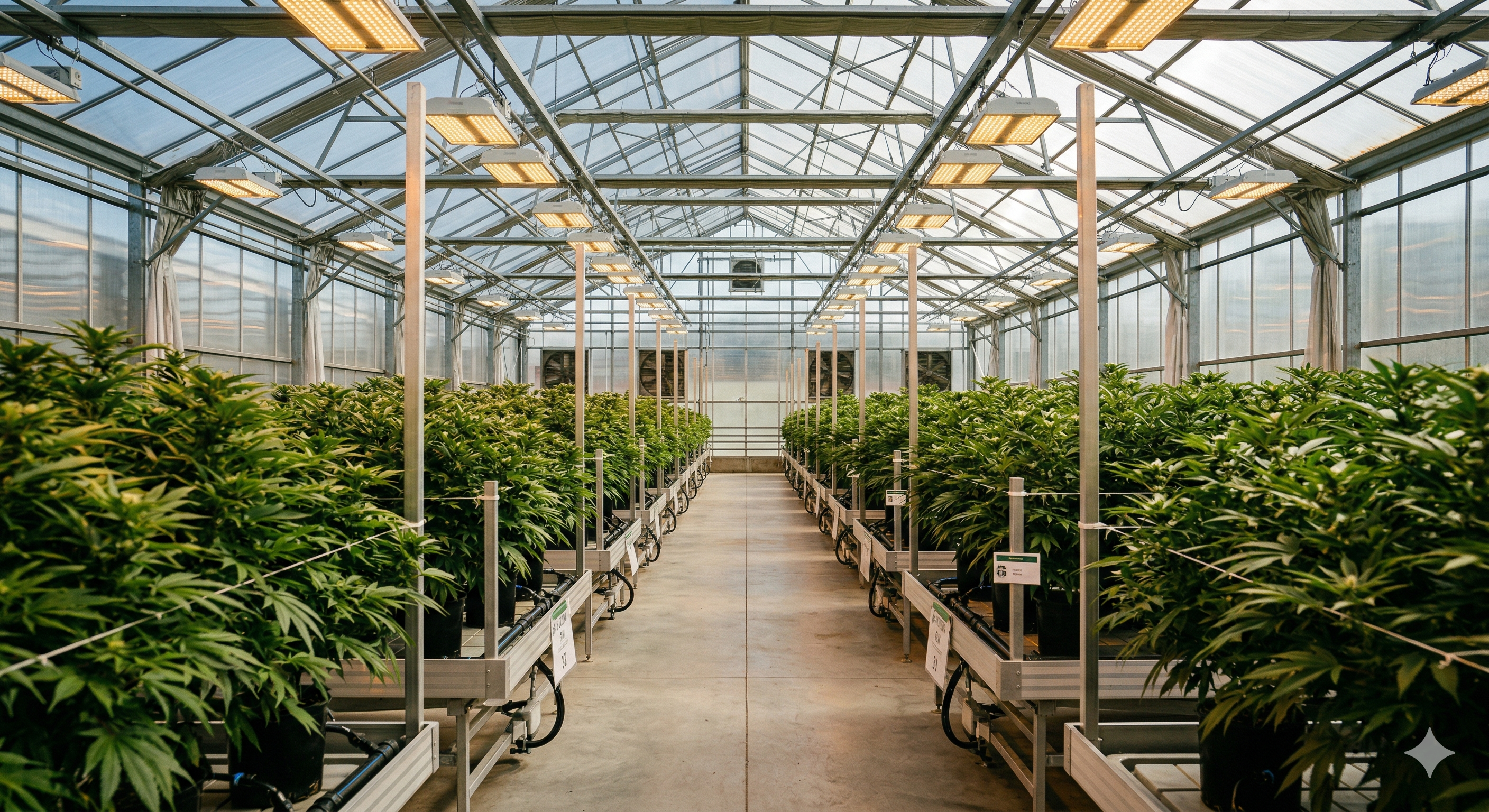
Germany imported 200 tons of medical cannabis in 2025, a 198% increase from the previous year. The main supplies come from Canada. Jacob Manthey, a researcher at the University Clinic Hamburg-Eppendorf, noted that this scale is not found in any other European country. Germany is now, by a significant margin, the largest legal cannabis market in Europe.
The total annual demand for cannabis in Germany is estimated between 670 and 823 tons. Legal sources are gaining market share, with the black market "gradually being replaced by legal offerings" according to the researchers. The increase in legal consumption is primarily driven by home cultivation and pharmacy purchases.
Cannabis Clubs Still Small
One area where the reform has underperformed is cannabis social clubs (Anbauvereinigungen). These non-profit cultivation associations were intended to be a key element of the legal supply chain, but they still play a "subordinate role" due to strict licensing conditions. The EKOCAN report recommends that lawmakers review the restrictive framework, including the ban on distribution and consumption inside clubs.
Researchers also flagged concerns about the medical cannabis market. Doctors regularly prescribe products with an average THC concentration of around 25%, while less than 10% is recommended for therapy. This has raised questions about whether some medical prescriptions are being used for recreational purposes rather than genuine medical need.
Conservative Opposition Continues Despite the Data
Despite the overwhelmingly positive evaluation, conservative politicians continue to push for restrictions. Brandenburg Interior Minister Jan Redmann (CDU) argued that cannabis clubs had failed to push back the black market. Hessian Interior Minister Roman Poseck (CDU) called the law "a lasting mistake." Federal Interior Minister Alexander Dobrindt (CSU) has previously called it a "piece-of-shit law."
Cannabis lawyer Judith Heimbuerger, who presented a detailed analysis of the EKOCAN data on March 26, noted that the political debate is "structurally tilted" toward opponents. The scientists running the official evaluation are rarely given the platform that politicians receive. The data, however, tells a different story than the headlines.
What It Means for Europe
Germany's two-year evaluation arrives at a critical moment for European cannabis policy. The Netherlands' wietexperiment is approaching its first major assessment in mid-2026. Czechia legalized personal possession and home cultivation in January 2026. Basel, Switzerland, has been running a regulated pharmacy sales trial for over three years.
With 84 million people and the largest economy in Europe, Germany's data carries more weight than any other country's reform experiment on the continent. The message from the EKOCAN evaluation is clear: legalization did not cause the harm that opponents predicted. Crime fell dramatically. Youth use kept declining. The legal market is growing. The sky did not fall.
For policymakers across Europe who are considering their next move on cannabis, Germany's two-year data makes the case for regulation harder to ignore than ever.