For over a decade, Amsterdam has been the exception. While cities across the southern Netherlands banned tourists from coffeeshops in 2012, Amsterdam kept its doors open. That exception is now under serious threat. Following the municipal elections on March 18, 2026, a majority in the city council may vote to implement the so-called I-criterion (ingezetenencriterium), which would restrict coffeeshop access to Dutch residents only.
Here is everything you need to know about the proposed ban, the politics behind it, what experts are saying, and what it means if you are planning a visit to Amsterdam.
What Is the I-Criterion?
The ingezetenencriterium, or resident criterion, is a Dutch national rule that has been in effect since January 1, 2013. It allows municipalities to restrict coffeeshop access to people who are registered as residents of the Netherlands. To prove residency, customers must show a valid ID or residence permit combined with an extract from the municipal population register (BRP).
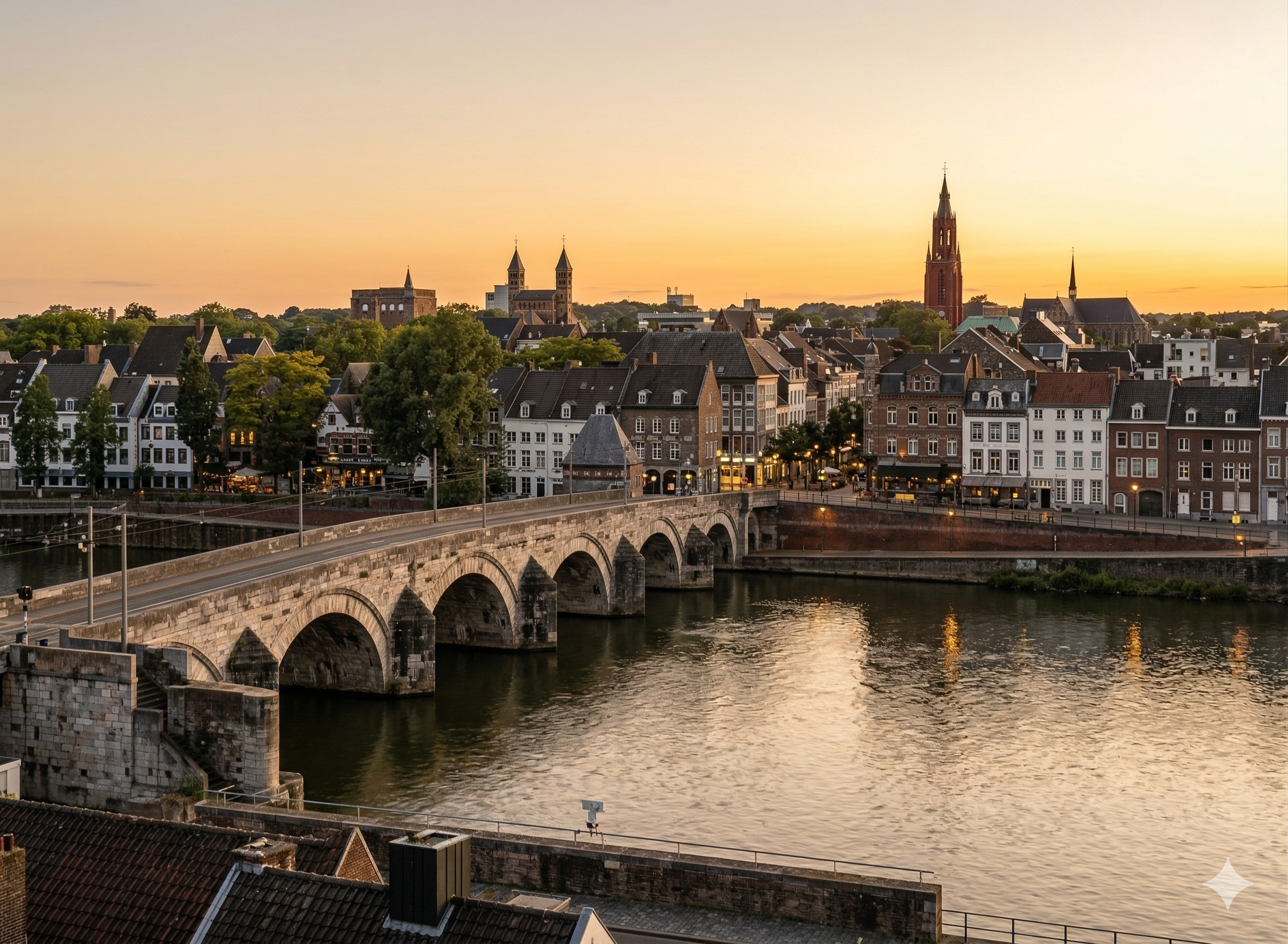
The rule was originally introduced to combat drug tourism in border regions, where visitors from Belgium, France, and Germany would drive across the border specifically to buy cannabis. Cities like Maastricht, Breda, Heerlen, and Terneuzen have been actively enforcing it for years.
Amsterdam, however, was granted an exemption on the condition that it reduced the number of coffeeshops near schools. The city complied, cutting the number of licensed coffeeshops from 283 to 166 over the past two decades. But the exemption was always meant to be temporary, and now political momentum is building to end it.
Why Is This Happening Now?
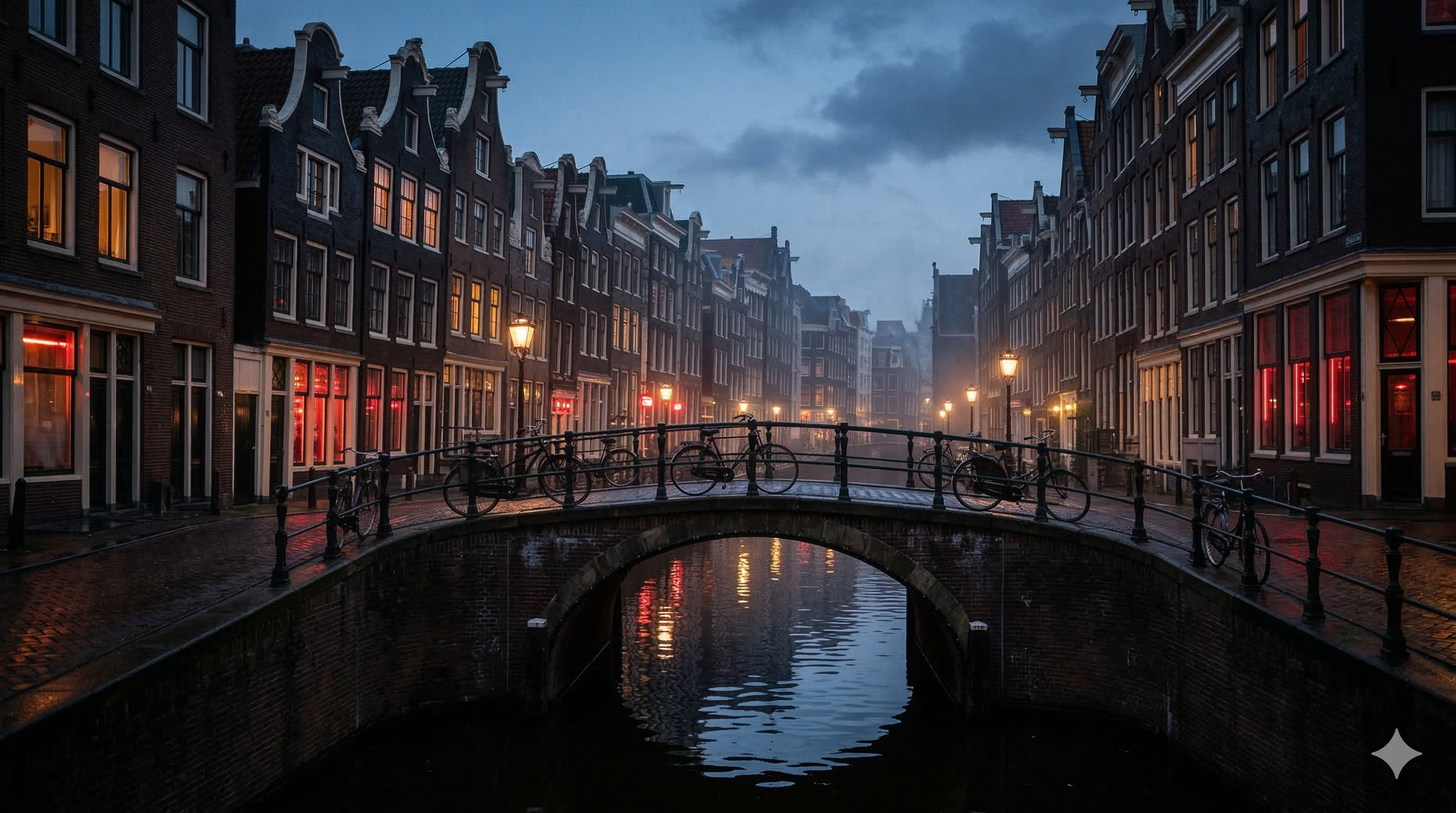
The push to ban tourists from Amsterdam's coffeeshops is part of a broader effort to tackle what the city calls "nuisance tourism." Amsterdam has been struggling with overtourism for years, with a self-imposed limit of 20 million overnight stays being broken for three consecutive years. Residents in the city centre, particularly around the Red Light District and Damrak, have been vocal about the impact of mass tourism on their quality of life.
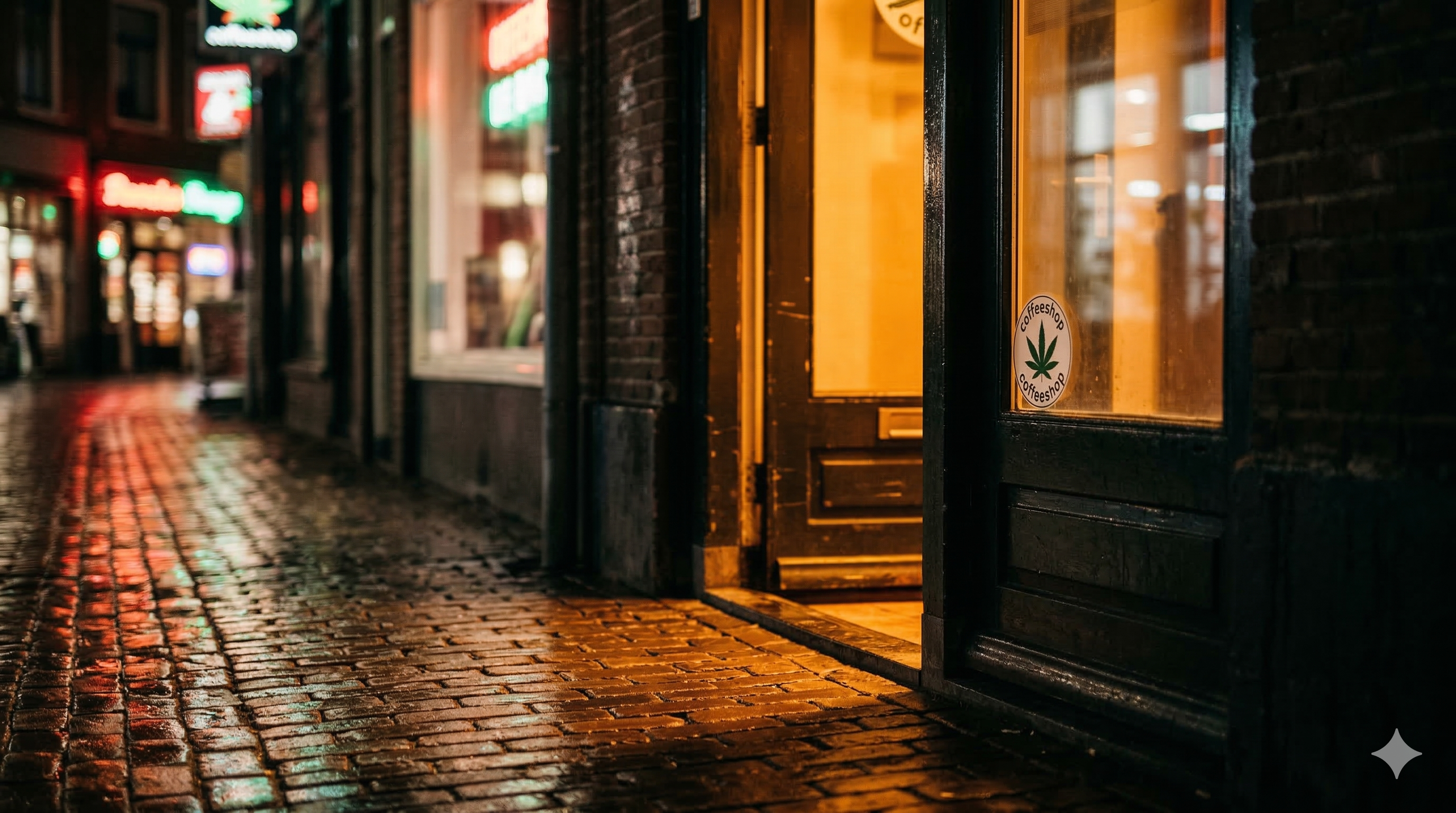
Coffeeshops have become a focal point of this debate. Some of Amsterdam's busiest coffeeshops have reported turnover increases of 75 to 200 percent in recent years, driven largely by international visitors. Residents argue that removing tourist access would reduce foot traffic, noise, and the concentration of coffeeshops in the historic centre.
Who Supports the Ban?
Several political parties on Amsterdam's city council support implementing the I-criterion:
PvdA (Labour Party), currently the largest party in Amsterdam, officially included the tourist ban in its 2026 election programme. The party wants to ban tourists from coffeeshops in the city centre and relocate some coffeeshops to other neighbourhoods.
VVD and CDA both support a city-wide ban, going further than the PvdA's centre-only proposal.
Mayor Femke Halsema has long favoured a ban and has the legal authority to implement one unilaterally. However, she has stated publicly that she prefers to act with council backing rather than on her own.
Who Opposes It?
D66 and GroenLinks, both expected to be among the largest parties after the elections, remain opposed. However, GroenLinks is set to merge with the PvdA into a single faction after the vote, which could shift the party's position during coalition negotiations.
This merger is the key wildcard. If GroenLinks follows the PvdA's line on coffeeshops, a comfortable majority would emerge in favour of the ban.
What Do Experts Say?
Dirk Korf, emeritus professor of criminology who has studied coffeeshops and the tourist ban for years, calls the proposal unworkable. His central question is simple: who is going to enforce it? Korf points to Lelystad as an example, a city that had no coffeeshop for years but plenty of street dealers. When the first coffeeshop opened, the dealers disappeared.
Bas Dingemanse, a crime reporter at De Limburger, warns that Maastricht's experience with the I-criterion has not been positive. Street dealing increased, and controlling it proved impossible with current police capacity.
Joachim Helms, owner of the Green House coffeeshop chain, calls the proposal "complete symbolic politics." He warns that thousands of street dealers are standing by, ready to take over tourist sales, pointing to the COVID-19 lockdowns when dealers appeared immediately with printed price lists.
On the other side, Pieter Tops, emeritus professor of organised crime studies, believes the ban could work, but only with serious commitment from police and local politicians.
Dingeman Coumou from the city centre residents' association d'Oude Stadt supports the ban, arguing that municipal research suggests millions fewer tourists would visit if coffeeshops were off-limits. "In particular those just out to party will stay home, and they are the ones we want to see the back of," he stated.
What Would It Mean for Tourists?
If the ban is implemented, tourists and other non-residents would no longer be able to enter coffeeshops in Amsterdam. This would include holiday visitors, business travellers, and anyone not registered with a Dutch municipality.
Important to note: expats, international students, and other foreign nationals who are registered at a Dutch address would still have access. The ban targets visitors, not residents.
The ban would likely take effect sometime after the coalition is formed, which could take weeks or months following the March 18 elections. Any decision is expected to become a key negotiation point in coalition talks.
What About Other Cities?
The vast majority of Dutch cities outside the southern border region do not enforce the I-criterion. Tourists remain welcome at coffeeshops in cities like Rotterdam, Den Haag, Utrecht, Eindhoven, Haarlem, Arnhem, Groningen, and over 100 other cities across the Netherlands.
Even if Amsterdam implements the ban, the Netherlands would still have more than 500 coffeeshops across the country that welcome international visitors. Cannabizzz lists all of them, including which cities have restrictions and which do not.
The Bottom Line
Nothing has been decided yet. The March 18 elections will determine the composition of the new city council, and coalition negotiations will follow. The tourist ban is expected to be one of the most debated topics in those talks.
If you are planning to visit Amsterdam in 2026, coffeeshops are still open to tourists today. We will update this article as the political situation develops. In the meantime, you can always check our Amsterdam page for the latest information on all 59 coffeeshops in the city, or explore other cities across the Netherlands on cannabizzz.