The wietexperiment is working. Dutch parliament voted overwhelmingly to continue it. Groningen is expanding its coffeeshop network. Maastricht is reviewing its licensing policy. Coffeeshop owners describe themselves as "a normal business" for the first time. But a critical question is going unanswered in The Hague: what happens when the experiment ends in 2029?
The Bond van Cannabis Detaillisten (BCD), the Dutch coffeeshop trade association, is raising the alarm. On May 13, the organization is hosting a regulation session for municipal officials to discuss scenarios, bottlenecks, and next steps for the period after the experiment. Registrations are already coming in from experiment cities, the four largest Dutch cities (G4), and non-participating municipalities.
First Evaluate, Then Decide
The current coalition agreement states that the wietexperiment will be continued, evaluated, and that "next steps will be determined based on the results." On the surface, that sounds reasonable. But the BCD points out what is missing beneath those words.
"There is no reservation of funds, no visible preparation for structural legislation, and no explicit choice for the period after the experiment," the BCD wrote. "First evaluate, then decide. That implies that until the moment of evaluation, no concrete structural preparations have been established."

A Question That Cannot Wait
The BCD argues that this is not a question for later. Legislation of this scale, creating a permanent legal framework for cannabis production and supply, takes years to develop, debate, and implement. If the government waits until the final evaluation is complete before beginning that process, there could be a gap between the experiment ending and any new law taking effect.
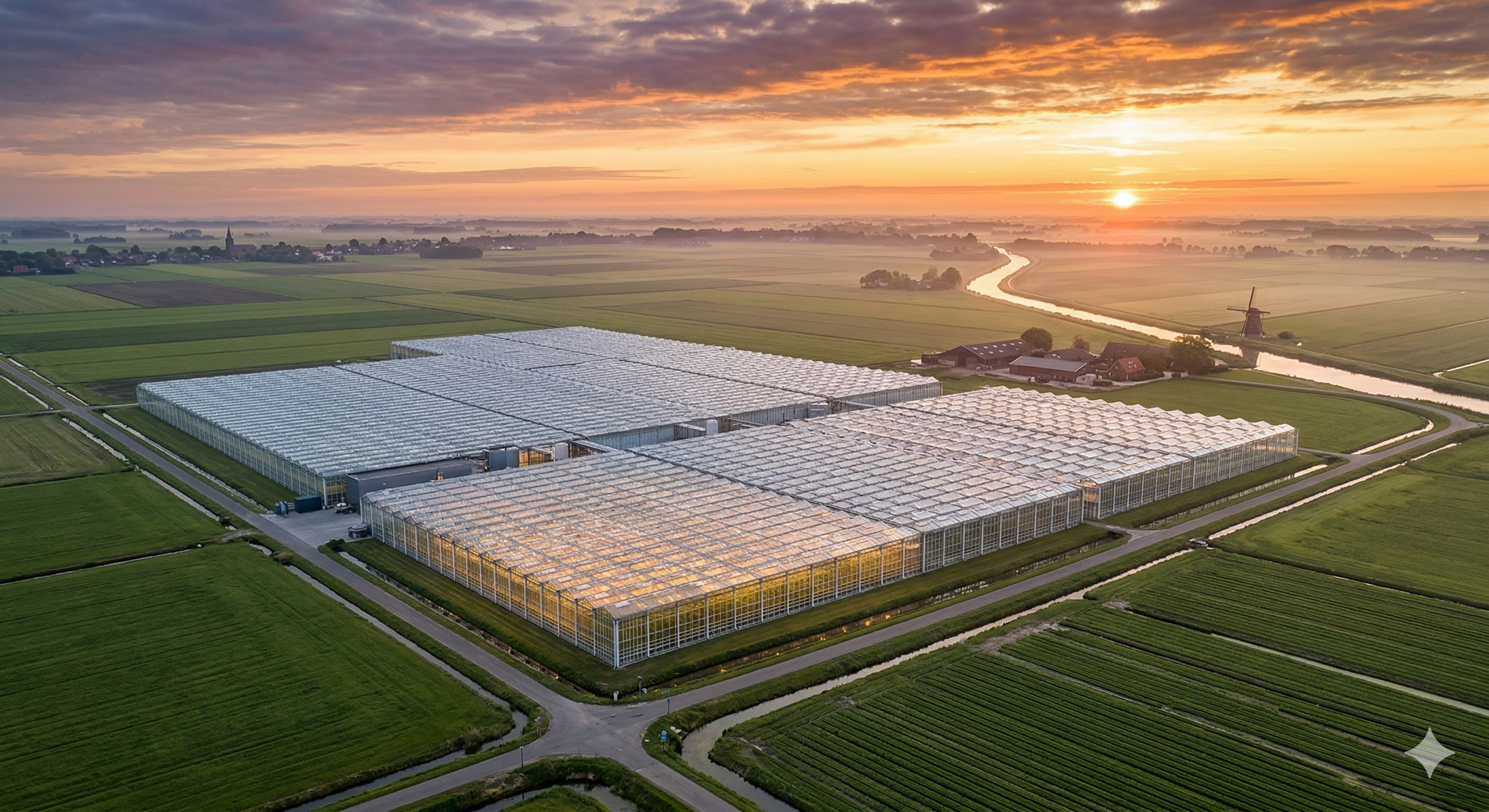
During that gap, coffeeshops in the 10 participating municipalities would theoretically revert to the illegal supply chain. The backdoor problem that the experiment was designed to solve would return overnight. Licensed growers who invested millions of euros in legal production facilities would face an uncertain future with no guaranteed market.
"The question of what happens after the experiment is not only politically relevant, but also practically and legally," the BCD stated. "As long as no timely preparation takes place, the risk grows that the experiment ends without a workable and carefully developed follow-up in place."
Cities Are Already Asking
The BCD notes that this concern is not limited to the 10 participating municipalities. Non-participating cities are already examining what the experiment's outcomes could mean for their own policies. The question of whether and how to prepare for a nationwide regulated supply chain is being discussed across Dutch local government.
"For both municipalities and entrepreneurs, the question is what happens after the experiment, how to prevent going back to the old situation, and under what conditions work can continue after the experiment," the BCD wrote. "Non-participating municipalities are also already working on the question of what the experiment's outcomes could mean for their own policy and preparation. This makes it not a question for later, but a subject that already requires preparation now."
The Momentum Is Clear
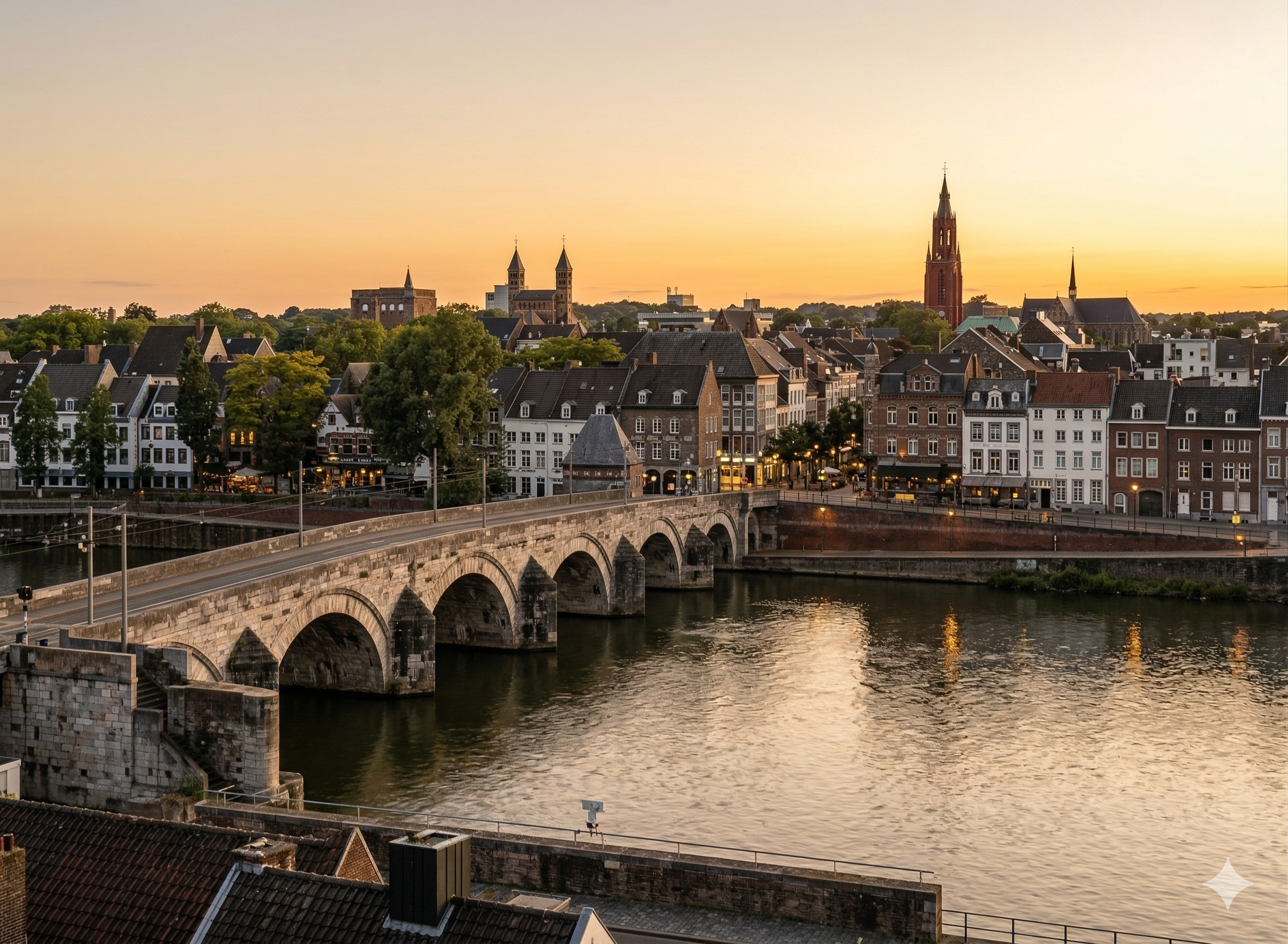
The past weeks have produced a remarkable sequence of developments. Dutch parliament rejected a motion to stop the experiment with a nearly three-quarter majority. Groningen announced plans to expand from 7 to 10 coffeeshops with quality-based licensing. Maastricht launched an external review of its entire coffeeshop framework. A coffeeshop owner in Maastricht described the legal supply chain as running to "full satisfaction." Germany published its two-year EKOCAN evaluation showing crime down 80% and no increase in youth use.
The evidence is accumulating. The political support is there. The cities are preparing. The coffeeshop operators confirm it works. What is missing is the legislative bridge between the experiment and a permanent system. The BCD is right to demand that the building starts now, not after the evaluation is complete and the clock is already running out.