April 7 marked exactly one year since coffeeshops in the 10 wietexperiment cities switched exclusively to legally produced cannabis. The results from the first full year of operation are now in, and they confirm what supporters of the experiment hoped for: the regulated supply chain works, and the criminal backdoor is closed.
The Justice and Security Inspectorate conducted 46 site visits to the 10 licensed growers and recorded 42 violations over the entire year. Only four of those resulted in fines, with the highest being 20,000 euros. Almost all violations were administrative in nature, involving incorrect entries in the mandatory tracking system or minor site compliance issues. There were zero indications that any licensed grower was involved with the illegal circuit.
Inspections Scaled Dramatically
The oversight infrastructure has grown alongside the experiment. Coffeeshop inspections rose from just 8 in 2023, before the experiment launched, to 145 in 2024 during the transition period, then to 375 in 2025 during the first full year of operation. Another 56 inspections have already been completed in early 2026. The system is being monitored intensively, and it is holding up.
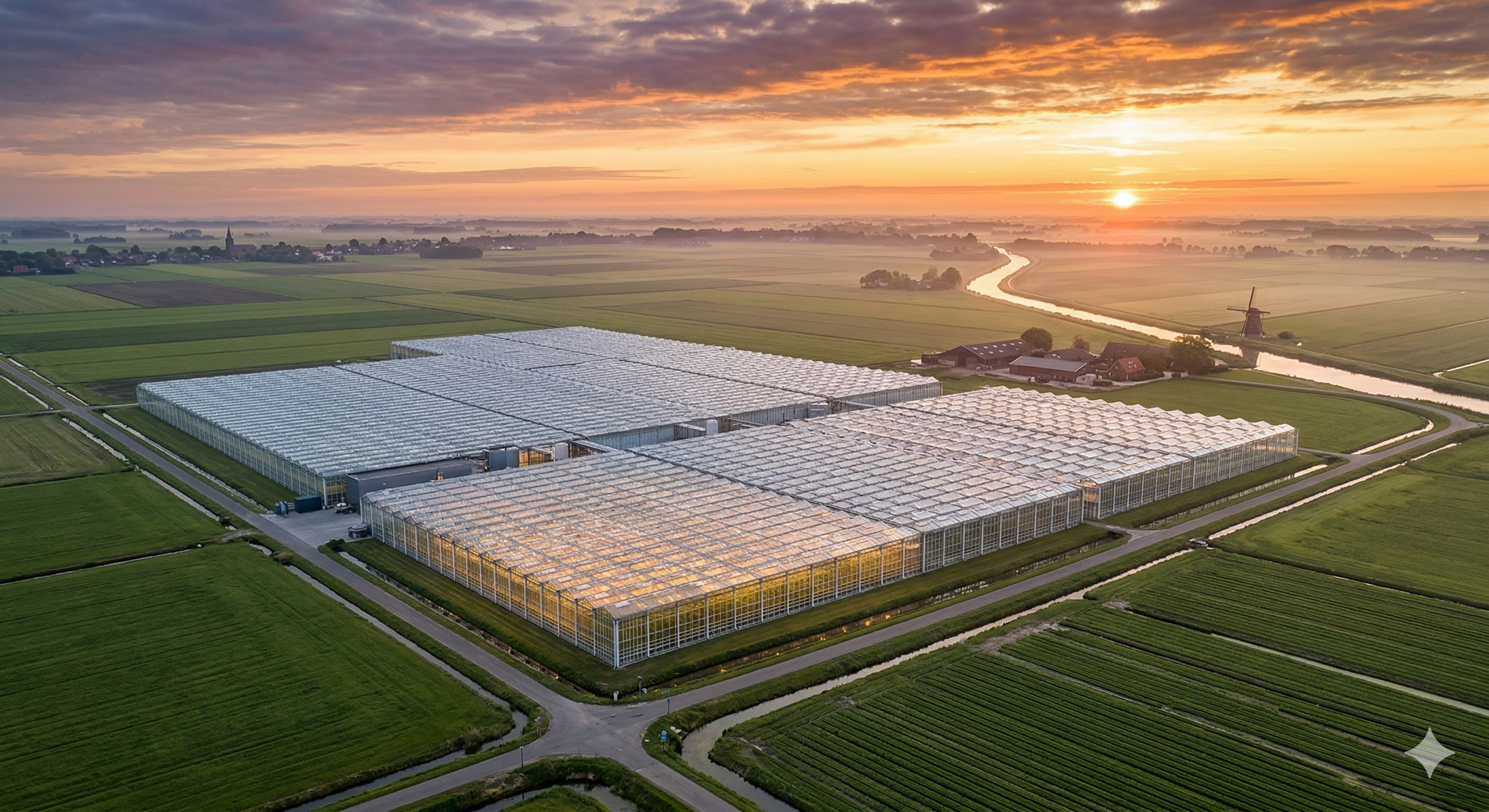
All 10 licensed growers are now fully operational after some early growing pains. Rick Bakker, director of Hollandse Hoogtes in Bemmel and one of the certified producers, told Dutch newspaper Trouw: "In the beginning, we had to get used to each other. But now things are going really well."

'Legalization Changed the Back Door, Not the Front Door'
The assessment from the participating cities is equally positive. Mayor Paul Depla of Breda, one of the strongest advocates for the experiment from the start, told Trouw: "Customers haven't walked away. Sales in the shops haven't decreased. And we aren't seeing any street dealing emerging either."
Depla added a crucial observation: "Legalization changed something at the back door, not at the front door." The fear that legal cannabis would lead to normalized drug use and increased consumption has not materialized. The number of people visiting coffeeshops has not increased. What changed is where the cannabis comes from, not who buys it.
Hash: The One Remaining Challenge
The only area where the transition has been difficult is hash. Coffeeshops were initially allowed to continue selling hash from existing (illegal) sources while the legal hash supply was developed. The switch to exclusively legally produced hash happened on September 1, 2025.
Legal hash tastes different and costs more than the traditional Moroccan supply that Dutch coffeeshops sold for decades. Some customers noticed the difference immediately. However, according to Simone van Breda of the Association of Cannabis Retailers (BCD), the majority of hash customers have now made the switch. The legal product is improving as growers gain experience with hash production.
Quality and Variety Delivered
The legal growers now offer consistent quality with variety in strains and pricing. This was one of the biggest concerns before the experiment launched: would licensed producers be able to match the range and quality that coffeeshops were used to from the illegal market? One year in, the answer appears to be yes. The cannabis is tracked from seed to sale with barcodes, quality-tested, and produced without the risks associated with unregulated cultivation.
The contrast with the old system is stark. Before the experiment, every gram of cannabis sold in a Dutch coffeeshop arrived through criminal channels. Coffeeshop owners operated in a legal gray zone where they could sell legally but were forced to source illegally. Now, in the 10 participating cities, the entire chain is legal, transparent, and bankable.
The Call to Act Now
Mayor Depla's message to The Hague was direct: "If we want to get rid of the hypocritical tolerance policy throughout the Netherlands in four years, we must act quickly." He warned against waiting until the experiment formally ends in 2029 to start building a permanent framework.
His concern is shared by the coffeeshop trade association (BCD), which recently warned that no structural legislation is being prepared for the period after the experiment. If the government waits too long, growers who invested millions could face an uncertain future, and coffeeshops could theoretically revert to the illegal supply chain.
Journalist and cannabis policy commentator Mauro Maalste put it bluntly: if the experiment ends without a successor, "growers who invested millions will have to shut their doors, and customers will again have to get used to another cannabis product. That will only result in chaos and lawsuits."
The Bigger Picture
One year of data from the wietexperiment now sits alongside Germany's two-year EKOCAN evaluation, Basel's three-year pharmacy trial, and Czechia's newly launched personal cultivation framework. Across northern Europe, the evidence points in one direction: regulation works better than prohibition. It reduces crime, maintains public health, and creates a transparent market.
The Netherlands designed the wietexperiment to answer a simple question: can a legal supply chain replace the criminal backdoor? After one year, the answer is yes. The next question is whether the political system will act on that answer before the clock runs out.