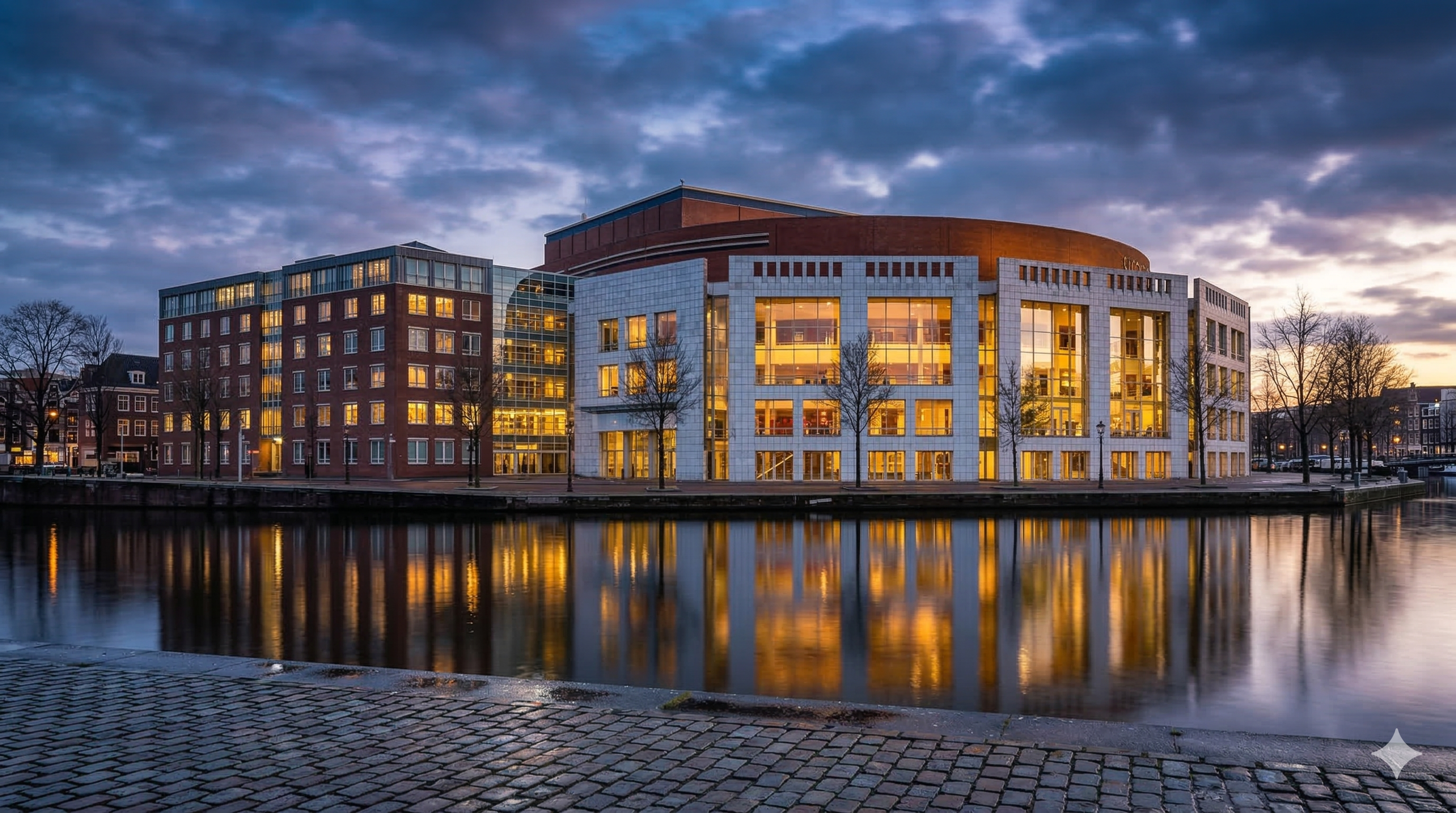
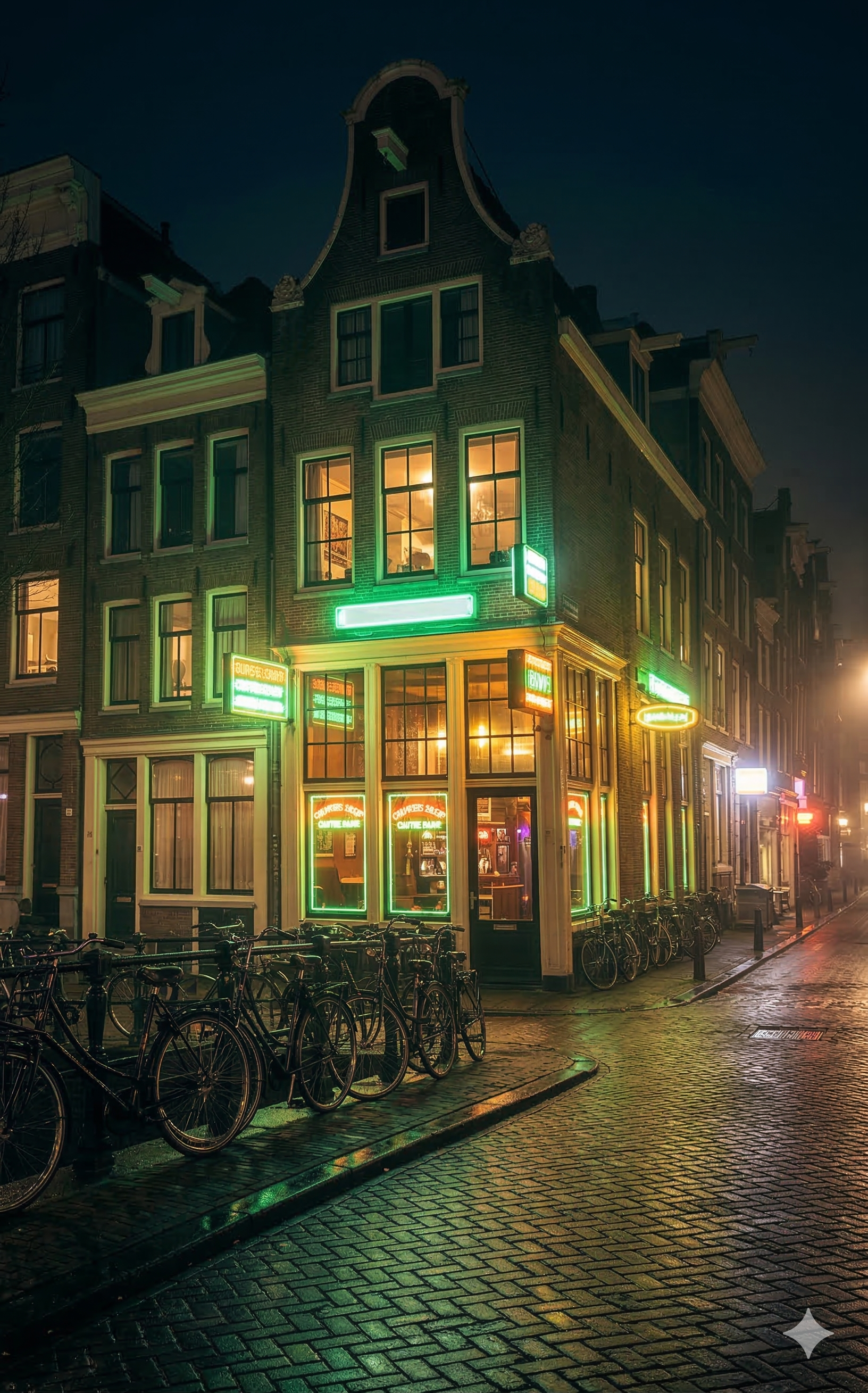
On March 18, 2026, Amsterdam goes to the polls for municipal elections. While housing, transport, and safety dominate most campaign platforms, there is one issue that matters directly to the millions of tourists who visit the city every year: the future of coffeeshop access. Several major parties now support banning tourists from Amsterdam's 166 coffeeshops, and depending on how the votes fall, the next city council could give Mayor Femke Halsema the mandate she has been waiting for.
For anyone planning a trip to Amsterdam, or already there, this is the most important political development to understand. Here is what is happening, who wants what, and what it means in practice.
The I-Criterium: A Law That Already Exists
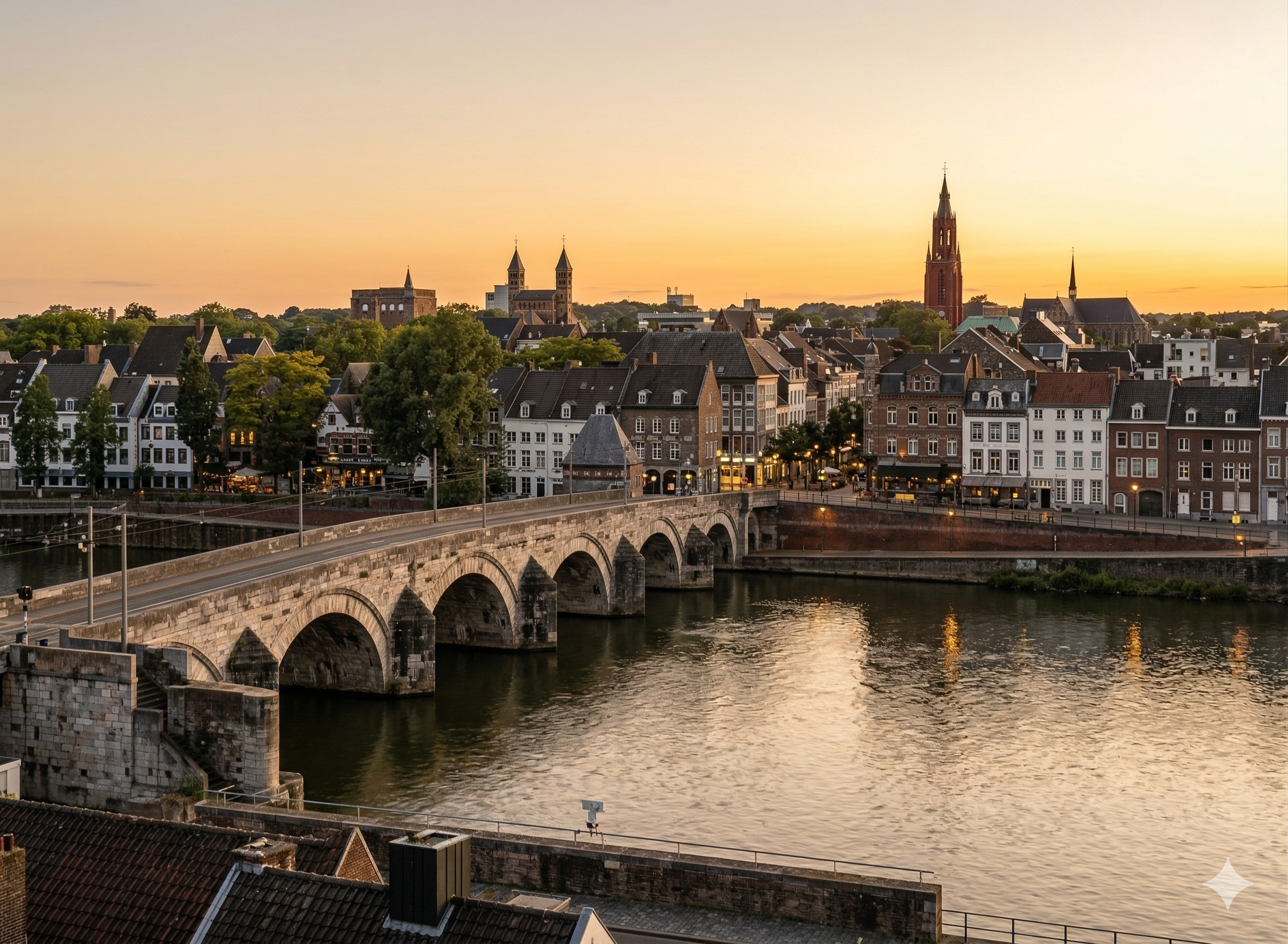
Most visitors do not realize that selling cannabis to non-residents has technically been illegal across the Netherlands since 2012. The policy is called the ingezetenencriterium (residents criterion, or I-criterium), and it requires coffeeshop customers to prove they are registered Dutch residents. The system was introduced in the southern provinces to reduce drug tourism from Belgium, France, and Germany. Cities like Maastricht, Breda, and Heerlen enforce it actively.
Amsterdam was given an exception. The city agreed to reduce the number of coffeeshops near schools instead. Over the past two decades, Amsterdam cut its total from 283 to 166. But the exception meant tourists could still walk into any coffeeshop, buy up to 5 grams, and consume on site. That arrangement is now under serious pressure.
Who Wants to Ban Tourists
The PvdA (Labour Party), currently the largest party on the Amsterdam city council, announced in October 2025 that it supports implementing the I-criterium in the city center. The party framed it as a necessary step to fight overtourism, reduce the dominance of coffeeshops in the historic core, and make the center more liveable for residents. They also want to relocate coffeeshops from the center to other neighborhoods.
The VVD (liberal conservatives) and CDA (Christian Democrats) go further, supporting a city-wide ban that would apply to all 166 coffeeshops, not just those in the center. Mayor Femke Halsema has publicly favored a ban for years, but has consistently said she will only implement it with explicit city council support.
Who Opposes It
D66 (Liberal Democrats) and GroenLinks (Green-Left) are firmly against the ban. Both parties are expected to hold significant seats after the election, making them key players in coalition negotiations. Their argument is straightforward: banning tourists from legal, regulated coffeeshops will not eliminate demand for cannabis. It will simply push the trade into the hands of illegal street dealers.
There is a critical wild card in this election. PvdA and GroenLinks are set to merge into a single faction after March 18. If GroenLinks follows the PvdA's position on coffeeshops as part of the merger, it could create a majority that did not exist before. This makes the election result even more consequential.
What the Experts Say
Dirk Korf, emeritus professor of criminology who has studied Dutch coffeeshop policy for decades, is blunt about the proposal. He calls it unenforceable. "It's a game of supply and demand," Korf told Het Parool. "You don't have to just imagine annoying street dealers. A new parallel market will emerge. We've seen that in the south of the country."
Korf points to the city of Lelystad, which had no coffeeshop for a period but was overrun with street dealers. When the first coffeeshop opened, the dealers disappeared. The same dynamic played out during the 2012 nationwide rollout of the "wietpas" (weed pass) system, which was widely considered a failure. Both locals and tourists avoided coffeeshops, and hash, cocaine, weed, and pills appeared on street corners across Brabant and Limburg.
In Maastricht, where the I-criterium is actively enforced, street dealing has increased significantly. Crime reporter Bas Dingemanse of De Limburger told Het Parool that controlling street dealers was "impossible with current police capacity."
On the other side, Dingeman Coumou from the residents' association d'Oude Stadt argues that fewer tourists would visit Amsterdam if coffeeshops were off-limits, and that would be a good thing. "Party tourists, in particular, will stay away, and we'd rather be rid of them," he said.
What About the Wietexperiment?
It is worth noting that Amsterdam is not part of the Dutch Controlled Cannabis Supply Chain Experiment (wietexperiment), which is currently running in 10 other municipalities including Tilburg, Breda, Arnhem, and Groningen. In those cities, coffeeshops now sell legally grown, quality-controlled cannabis from licensed producers. Amsterdam's coffeeshops still operate under the traditional tolerance policy, sourcing cannabis through the unregulated "back door."
If Amsterdam were to ban tourists and simultaneously remain outside the regulated experiment, the city would find itself in an unusual position: restricting access to coffeeshops while not being part of the government's own effort to create a legal supply chain. Critics argue this would be the worst of both worlds.
What Tourists Need to Know Right Now
Nothing changes on March 18. Even if parties supporting the ban win enough seats to form a majority, coalition negotiations typically take weeks to months. Any actual implementation of the I-criterium would require additional policy steps and an enforcement plan. Experts estimate it would take at least until late 2026 or 2027 before any ban could realistically take effect.
In the meantime, all 166 coffeeshops in Amsterdam remain fully open to tourists. You can still walk in, show your ID to prove you are 18 or older, and purchase up to 5 grams of cannabis. Public smoking is banned in parts of the city center (De Wallen, Dam, Damrak, Nieuwmarkt) with fines of 100 euros, but consumption inside coffeeshops is unaffected.
If you want to be safe regardless of what happens in Amsterdam, the rest of the Netherlands remains accessible. More than 375 coffeeshops in over 100 cities outside Amsterdam welcome tourists, and cities in the wietexperiment offer legally grown cannabis you cannot get anywhere else. Explore all of them on cannabizzz.nl.
What Happens After March 18
The election result will determine which parties negotiate to form a new city government. If PvdA-GroenLinks emerges as the dominant force and maintains its pro-ban stance, coalition talks will determine whether the I-criterium becomes a condition of governing. If D66 holds enough leverage, it could block the ban as a deal-breaker in negotiations.
We will be following the results closely and will publish an update as soon as the outcome is clear. Follow our news section for the latest. For now, Amsterdam's coffeeshops are open for business.