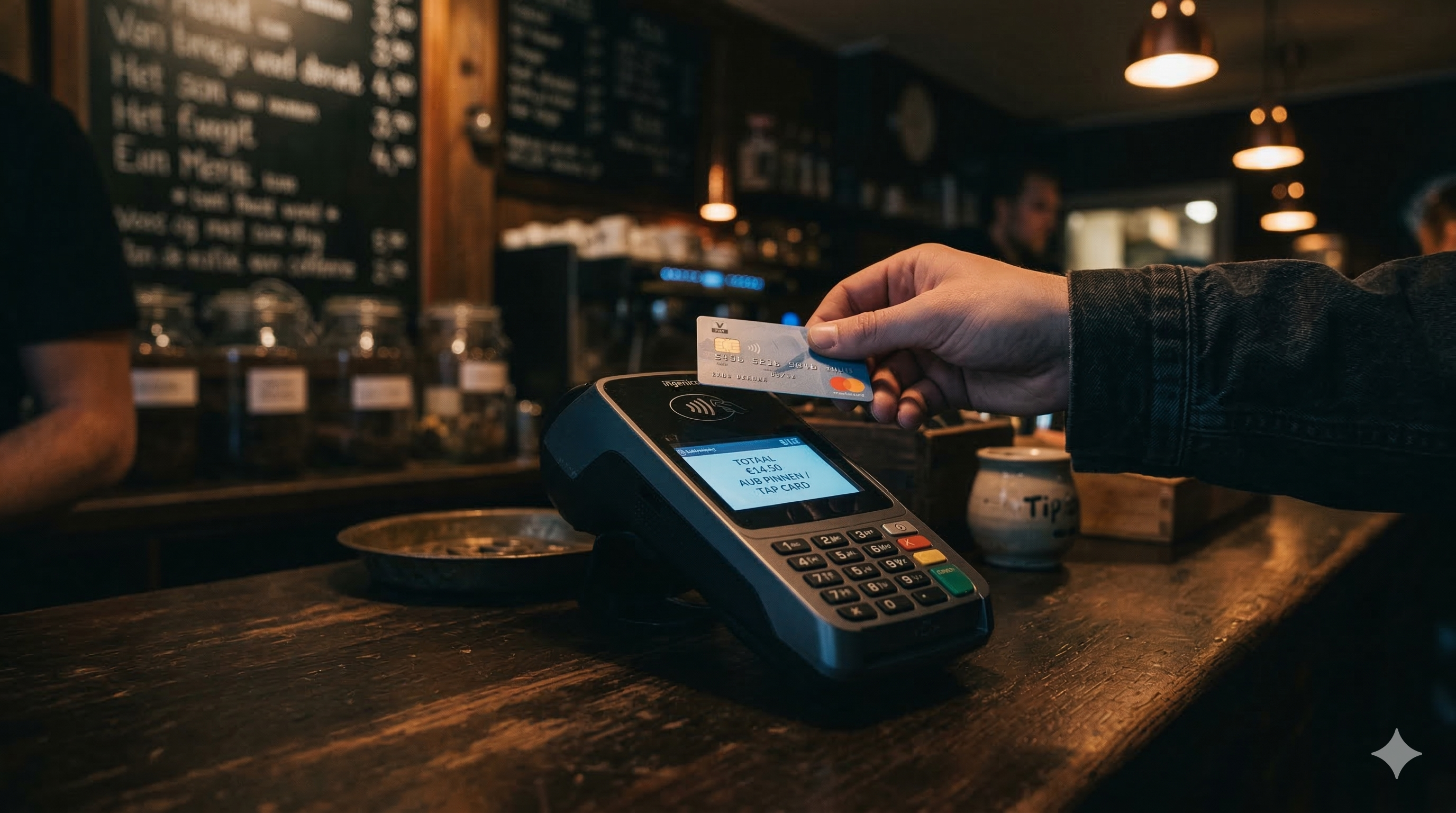
Customers can continue paying by card in Dutch coffeeshops after a court in Utrecht ruled against payment service provider Worldline's plan to cut off the entire cannabis retail sector from its services. The ruling, handed down on March 6, 2026, is being hailed as a landmark decision for the Dutch coffeeshop industry.
The case centered on a simple but critical question: can a payment provider refuse to serve coffeeshops simply because they are coffeeshops? The judge's answer was clear: no.
What Happened
Worldline, one of Europe's largest payment processing companies, announced late last year that it would unilaterally terminate its contracts with Dutch coffeeshops. The company initially suggested that working with the cannabis sector would damage its corporate image. More than 50 coffeeshop owners took Worldline to court in Utrecht on February 13, 2026.
During the hearing, Worldline changed its reasoning. Instead of the image argument, the company's lawyers claimed that a foreign partner bank refused to process transactions from Dutch coffeeshops. Worldline also stated that alternative banks demanded conditions that were too strict, and that Dutch banks would not facilitate card payments for coffeeshops through third-party payment processors.
Several questions remained unanswered during the hearing. Worldline refused to reveal which bank was pressuring it to drop coffeeshops. The company also could not explain why approximately 250 other coffeeshops were still being served through its network while 50 had been singled out for termination.
The Ruling
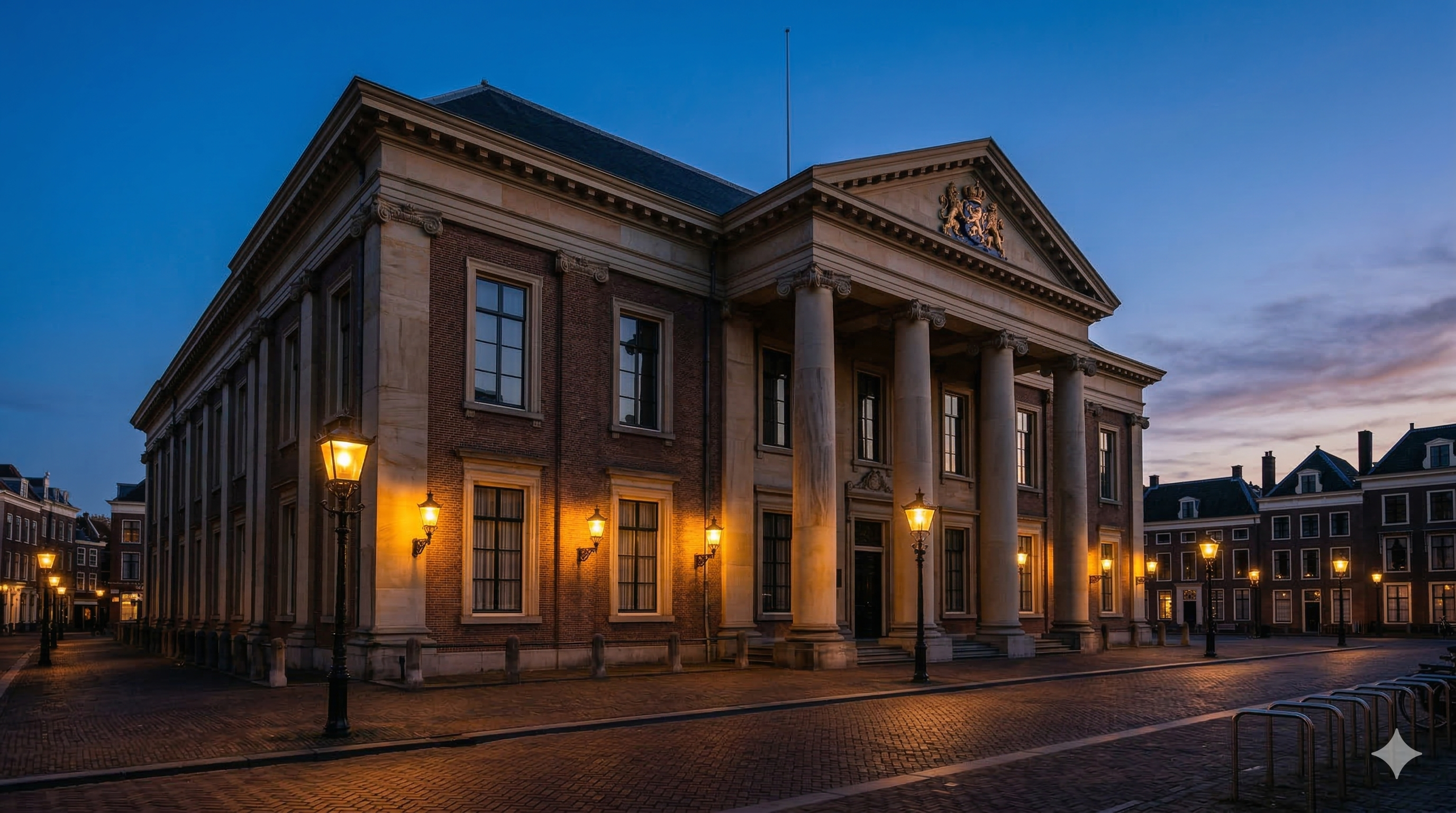
The judge ruled that Worldline is not permitted to terminate its agreements with the coffeeshops in question. The court found that Worldline, as a payment service provider, holds an important position within the Dutch payment system and must handle the interests of its clients with care, including coffeeshops.
Critically, the judge determined that what Worldline was attempting amounted to a "categorical exclusion," meaning the company was rejecting coffeeshops purely because of the type of business they are, without any individual assessment of risk or conduct. This type of blanket exclusion is prohibited under Dutch law.
The court also noted that switching to another payment provider is not a realistic option for coffeeshops in the short term. Applications to other providers are routinely blocked, and coffeeshops cannot easily find alternative services. This further underlined why Worldline must continue its services.
Worldline is now required to maintain its payment services to the affected coffeeshops for an indefinite period, at least until a final ruling is issued in the full court proceedings between the parties, or until a settlement is reached.
Why This Matters
Nearly 80% of all transactions in Dutch coffeeshops are made by debit card. If card payments were cut off, coffeeshops would be forced to operate on a cash-only basis. This would create serious operational problems, increase the risk of robberies, and push the sector backward at a time when the Dutch government is actively working to modernize and regulate the cannabis supply chain through the Wietexperiment.
The banking and payments industry has had an uneasy relationship with the cannabis sector for years. Because cannabis production remains technically illegal under the tolerance policy (even though retail sales are tolerated), financial institutions have been reluctant to serve coffeeshops. This has led to ongoing issues with bank account access, payment processing, and basic financial services.
Simone van Breda, chair of the Bond van Cannabis Detaillisten (BCD), the Dutch coffeeshop trade association, welcomed the ruling. In an interview with Dutch newspaper AD, she stated that coffeeshops cannot be categorically excluded from essential payment services, and called the decision an important and welcome recognition for the sector.
What About D66's Parliamentary Questions?
The card payment issue had already reached the Dutch parliament before the court ruling. D66 submitted parliamentary questions to the government about the problems coffeeshops were facing with payment services. The party raised concerns about the impact on public safety if coffeeshops were forced to go cash-only, and questioned whether the government had a plan to ensure continued access to the financial system for legally tolerated businesses.
What It Means for Visitors
If you are planning to visit a coffeeshop in the Netherlands, you can continue paying by debit card. The ruling ensures that card payments remain available at coffeeshops served by Worldline, which covers a significant portion of the market.
That said, it is always a good idea to carry some cash when visiting coffeeshops, as not all locations accept cards. Some smaller or independent coffeeshops have always been cash-only. You can check which coffeeshops accept card payments on cannabizzz, where we list payment options alongside menus, opening hours, and reviews for 541+ coffeeshops across 106 Dutch cities.