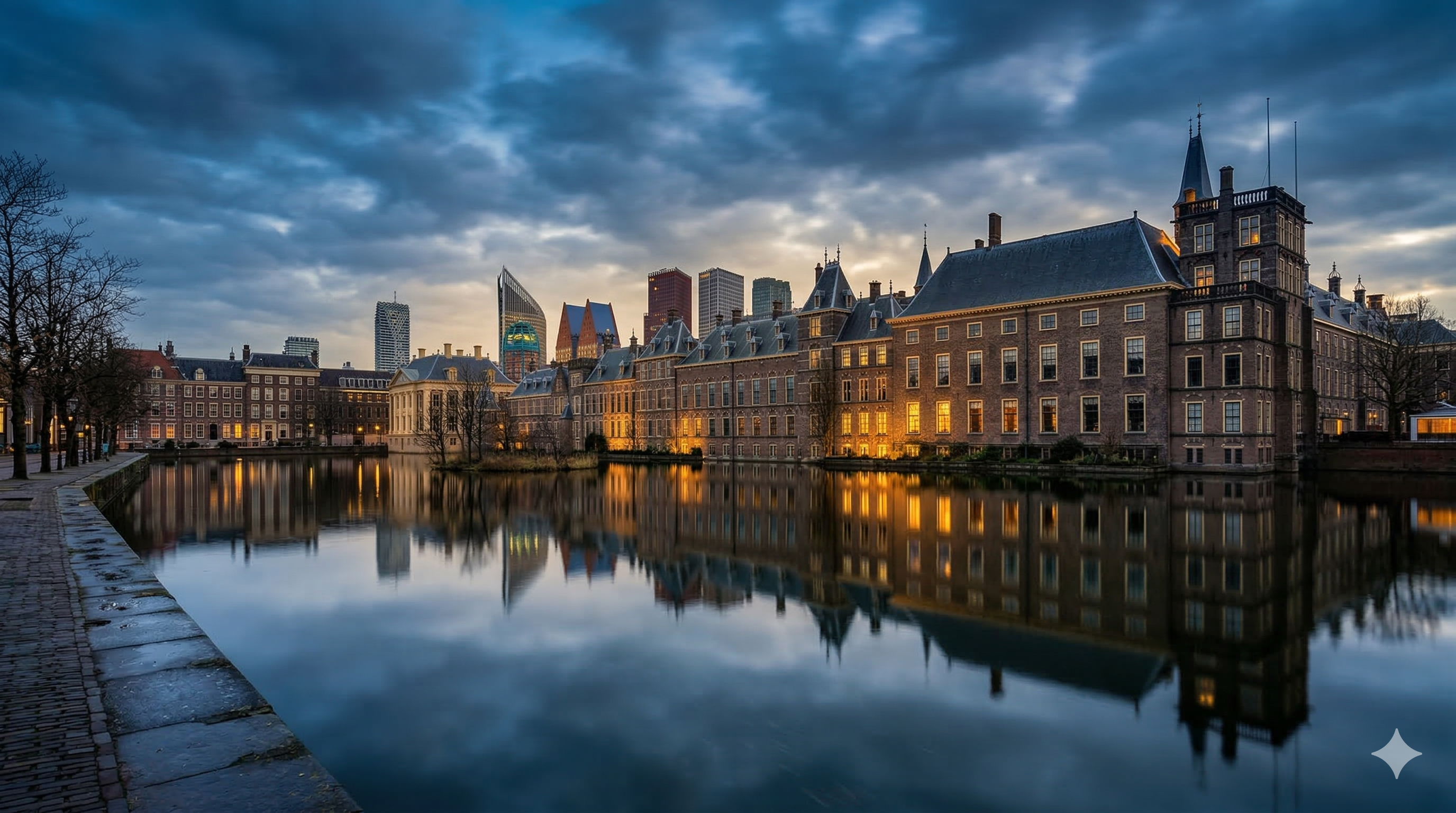
On March 12, 2026, the Dutch parliament held its first debate on drug policy in nearly two years. The Justice and Security committee convened in the Thorbeckezaal, with the Controlled Cannabis Supply Chain Experiment (wietexperiment) as one of the key topics on the agenda. The last time parliament discussed this subject was February 2024, as the fall of the Schoof cabinet had pushed the scheduled July 2025 session all the way to this week.
The debate confirmed what many observers expected: each party stuck to its established position, and no major shifts in policy are coming before the experiment's final evaluation in 2029. But for anyone following the future of legal cannabis in the Netherlands, the details matter.
The Government's Position: Positive So Far
Minister David van Weel (VVD, Justice and Security) and Minister Sophie Hermans (VVD, Public Health) both addressed the committee. Their message was clear and consistent: the experiment continues until 2029, and only then will a definitive conclusion be drawn.
Van Weel shared the interim findings. The overall direction is positive. There are no signals of increasing nuisance or public order problems in the ten participating municipalities. Most coffeeshop owners involved in the experiment are positive about the process. There are challenges, particularly around the quality and supply of legally produced hash, but the minister emphasized that identifying and solving these problems is exactly what the experiment is designed for. A dedicated research report on hash quality is expected this summer, with a government response to follow after the summer recess.
For tourists and visitors, this means the experiment in cities like Tilburg, Breda, Arnhem, Nijmegen, Groningen, Zaanstad, Almere, Maastricht, Hellevoetsluis, and Voorne aan Zee will continue operating as planned. Coffeeshops in these municipalities sell legally grown, quality-controlled cannabis from licensed producers, and this will not change before 2029.

Parties That Want to Stop the Experiment
Several parties made their opposition clear. PVV member Marjolein Faber delivered the strongest criticism, calling cannabis a "gateway drug" and arguing that the government is normalizing drug use. "The government acts as if drugs are okay, but they are not okay," Faber said. "Drug use is a sign of a disrupted society. The Netherlands has a drug problem. How long are we going to continue with this experiment?"
Rene Claassen, a former PVV member who moved to the Groep Markuszower faction, went even further. He stated that he would prefer to close all coffeeshops entirely, but acknowledged this is not feasible. Instead, he argued for preventing any new coffeeshops from opening and closing all those located near schools. He called the experiment "doomed to fail" and asked whether it would be better to stop now.
Leen van Dijk of the SGP (Reformed Political Party) questioned why the Netherlands has become a "producer of certified state weed" and asked when parliament would receive a plan to phase out the experiment. The answer from the ministers was straightforward: there will be no phase-out plan, because the experiment runs until 2029 as agreed.
The CDA, through new member Tijs van den Brink, acknowledged their discomfort. "We are not fans of the wietexperiment," he said, "but we put our signature under the coalition agreement." Van den Brink also took a broader swipe at Dutch drug culture, saying the country has become "the pill-poppers and sniffers of Europe."
Parties That Support the Experiment
D66 and PvdA/GroenLinks were, as usual, the most vocal supporters of the wietexperiment. Both parties have consistently argued that regulating the cannabis supply chain is the only realistic way to reduce the influence of organized crime, improve product safety, and protect public health. Their positions did not change in this debate.
The VVD, the party of both ministers, kept a neutral stance during the debate, neither championing nor criticizing the experiment beyond presenting the interim findings.
Side Issues: Street Smoking and Coffeeshop Odor
Mirjam Bikker of the ChristenUnie repeated her long-standing call for a nationwide ban on smoking cannabis in public. "So that we no longer have to sit in that terrible stench," she said. This is not a new proposal, but it keeps resurfacing in parliamentary discussions.
Faber raised a related question about whether the indoor smoking ban in coffeeshops is being properly enforced, noting that she could smell cannabis when walking past a coffeeshop. Minister Hermans explained that a joint rolled with pure cannabis (without tobacco) does not fall under the Tobacco Act, meaning the indoor smoking rules that apply to tobacco do not technically apply to pure cannabis joints inside coffeeshops.
What This Means for the Wietexperiment
The most important takeaway from this debate is that the experiment is safe. Despite vocal opposition from several parties, the coalition agreement protects it until 2029. The government's interim assessment is positive, and there is no political mechanism to end it early.
For the 80 coffeeshops across the 10 participating municipalities, this provides stability. They can continue selling legally produced cannabis from the 10 licensed growers without fear of the rug being pulled out. The summer research report on hash quality will be the next important moment, as it could lead to adjustments in how hash is produced and distributed within the experiment.
What This Means for Visitors
If you are visiting the Netherlands and want to experience the regulated cannabis supply chain firsthand, the 10 wietexperiment cities are the place to go. These are the only coffeeshops in the country that sell legally grown, tested, and traceable cannabis. Amsterdam is not part of the experiment and still operates under the traditional tolerance policy with unregulated supply.
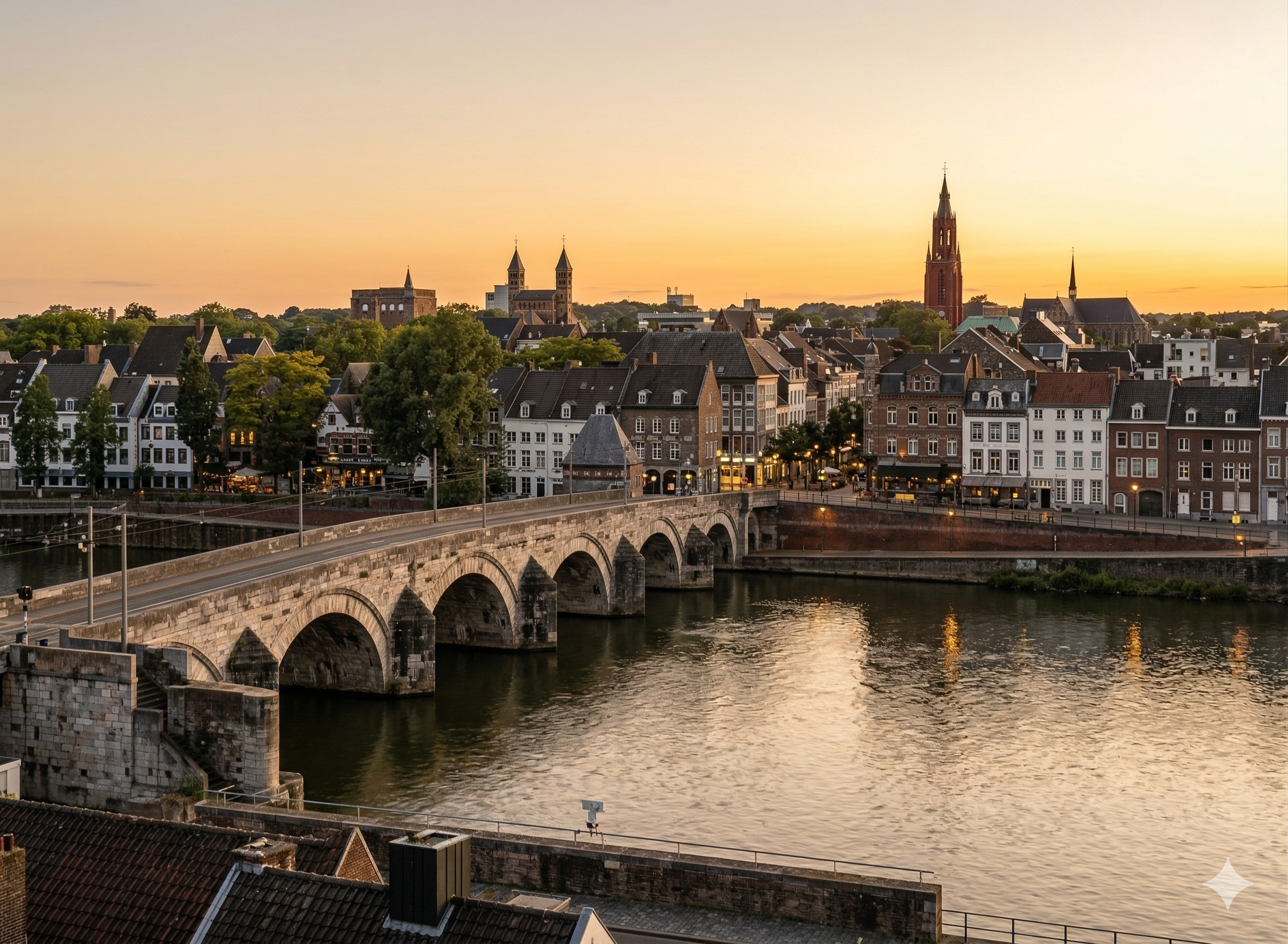
The participating cities are Tilburg, Breda, Arnhem, Nijmegen, Groningen, Zaanstad, Almere, Maastricht, Hellevoetsluis, and Voorne aan Zee. Note that Maastricht and Breda enforce the residents-only policy, meaning tourists cannot purchase there. The other eight cities remain accessible to all visitors. You can find all coffeeshops, menus, and reviews on cannabizzz.nl.