For decades, the Netherlands operated under a paradox: coffeeshops could legally sell cannabis, but the supply chain behind them was entirely criminal. The front door was open, but the back door was illegal. In 2023, the Dutch government launched an ambitious experiment to fix this — the Controlled Cannabis Supply Chain Experiment, better known as the Wietexperiment. Here is the complete story of how it started, where it stands today, and what it means for the future of cannabis in the Netherlands and beyond.
The Problem: A Legal Front Door, an Illegal Back Door
Since the 1970s, the Netherlands has operated under its famous tolerance policy (gedoogbeleid). Coffeeshops were allowed to sell up to 5 grams of cannabis per customer per day, but the production and wholesale supply of cannabis remained illegal. This meant that every coffeeshop in the country — no matter how professional or well-run — was forced to buy its product from criminal organizations.
The consequences were significant. Criminal networks controlled the supply chain, profiting billions of euros annually. There was no quality control — customers had no guarantee that their cannabis was free from pesticides, heavy metals, or other contaminants. And law enforcement was stuck in an impossible position, tolerating the retail side while fighting the supply side.
By the 2010s, a growing consensus emerged among Dutch mayors, health experts, and politicians: the back door needed to be legalized too.
The Timeline: From Idea to Reality
2017 — The Coalition Agreement
The plan for a closed cannabis supply chain experiment was officially included in the coalition agreement of Mark Rutte's third cabinet. This was the political green light the experiment needed.
2018 — The Knottnerus Report
An advisory committee chaired by Professor André Knottnerus published a foundational report outlining the experiment's design: strict quality controls, secure transport, a track-and-trace system, and a research framework comparing participating cities with control groups.
2019 — Municipalities Selected, Law Passed
Ten municipalities were selected to participate, chosen for geographic and demographic diversity. In November 2019, the Controlled Cannabis Supply Chain Experiment Act was passed by the Dutch Senate, providing the legal basis for the trial.
2020 — Grower Selection
The application process for licensed growers opened, and with more qualified applicants than the 10 available spots, a lottery was held in December 2020 to select the designated producers.
2023 — Start-Up Phase Begins
In December 2023, the first regulated cannabis was sold in coffeeshops in Breda and Tilburg. This start-up phase allowed growers to begin scaling production while coffeeshops gradually transitioned to the regulated supply.
2024 — Transitional Phase
From June 2024, the experiment expanded to all 10 participating municipalities. Coffeeshops could sell both regulated and unregulated (tolerated) cannabis during this transition period, giving growers time to ramp up production.
April 7, 2025 — Full Experimental Phase Launches
The four-year experimental phase officially launched. From this date, all approximately 75 coffeeshops in the 10 participating cities were required by law to sell only regulated, quality-controlled cannabis from designated growers. The illegal back door was officially closed.
September 1, 2025 — Hash Goes Regulated Too
Initially, coffeeshops were allowed to continue selling unregulated hashish while growers developed their hash production capabilities. From September 1, 2025, this exception ended — all hash sold in participating coffeeshops must now also come from regulated suppliers.
The 10 Participating Cities
The experiment takes place in ten municipalities selected across the country:
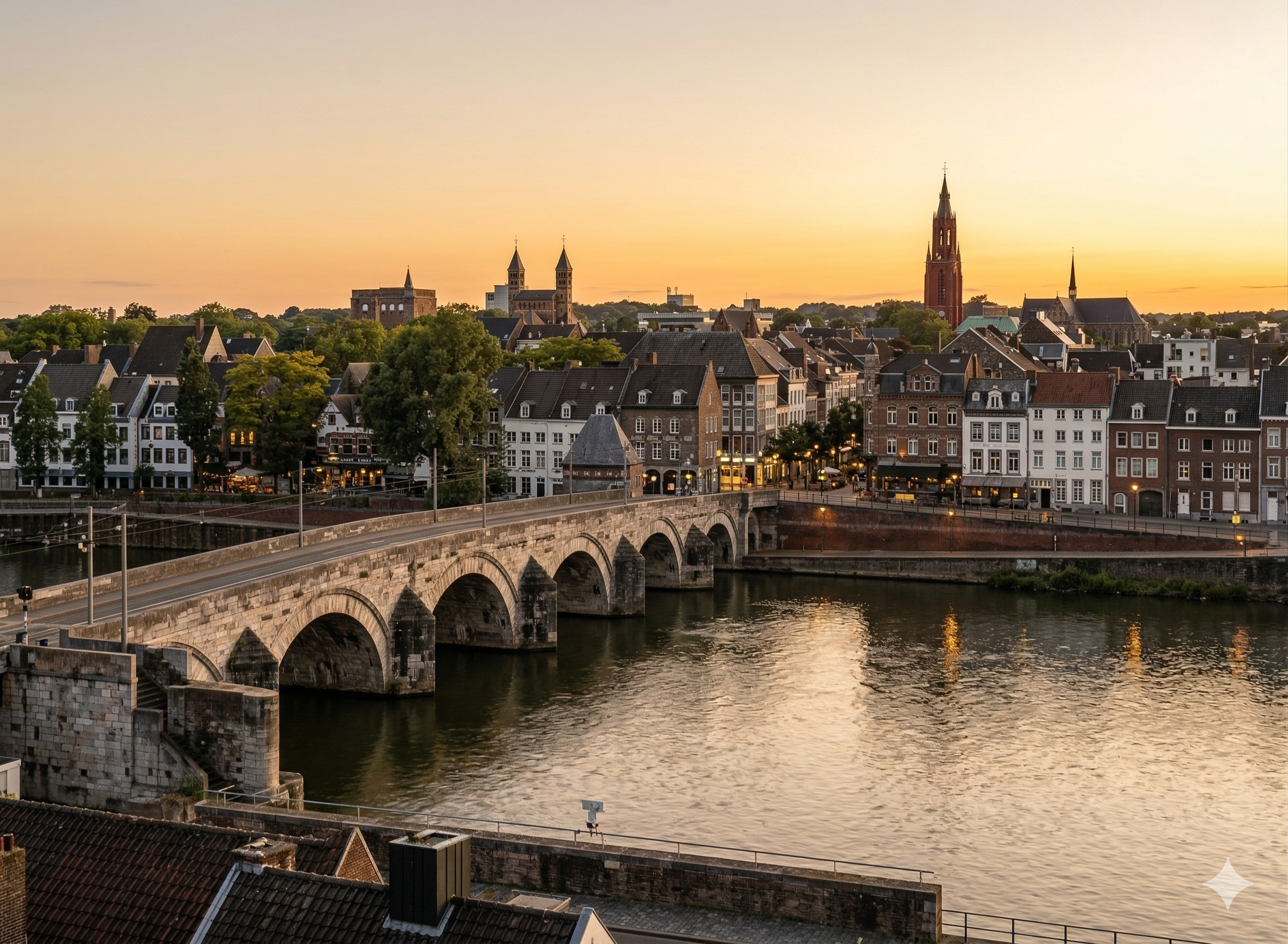
Arnhem (10 coffeeshops), Breda (6), Groningen (5), Maastricht (14), Nijmegen (10), Tilburg (9), Almere, Heerlen, Hellevoetsluis, and Zaanstad. In total, approximately 75 coffeeshops participate. The government has also proposed adding Amsterdam Oost as an eleventh participant, though this requires a legislative amendment that has not yet been passed.
The 10 Licensed Growers
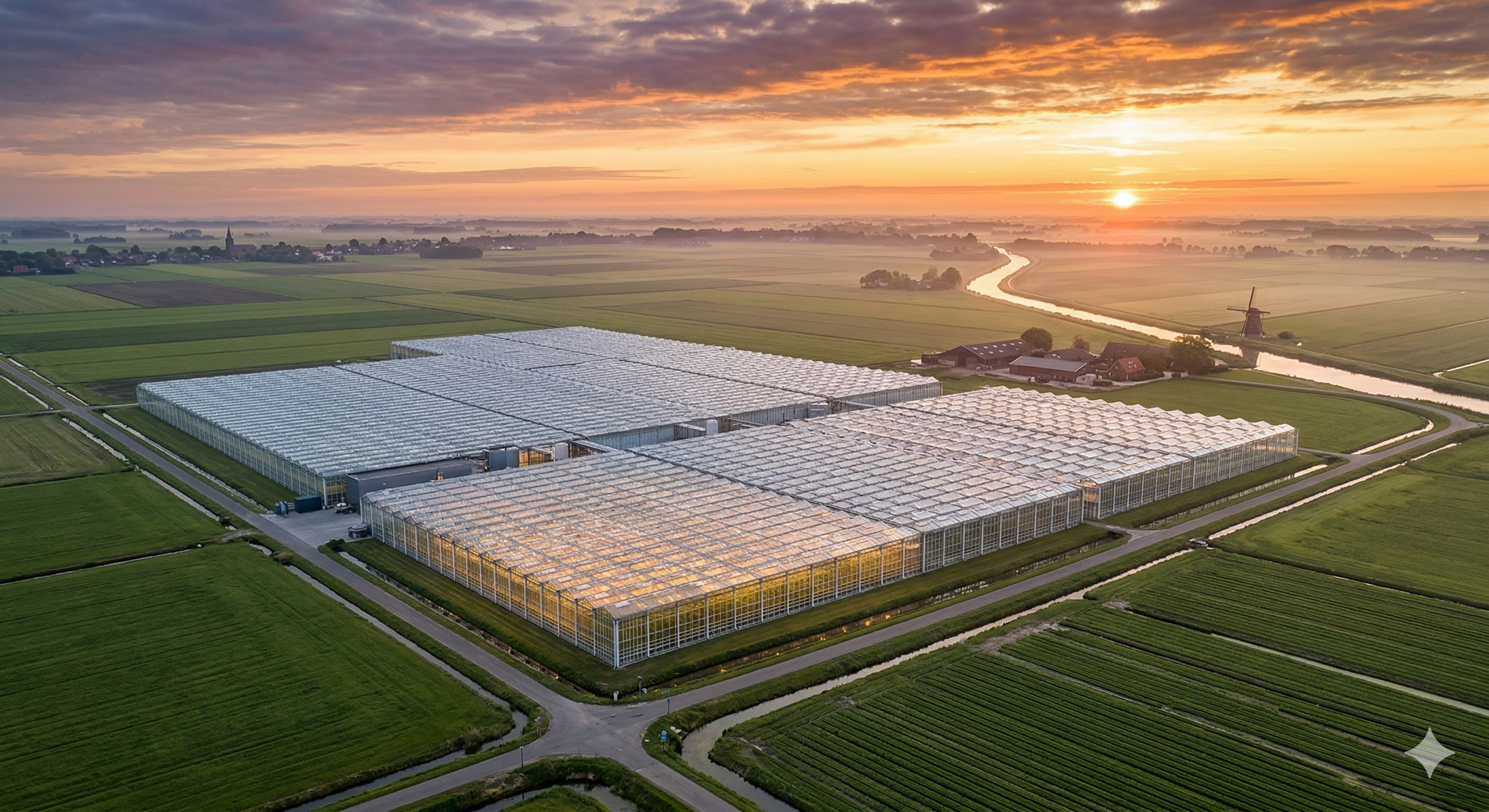
Ten producers were licensed to cultivate cannabis for the experiment. The largest is CanAdelaar, the only industrial-scale greenhouse cultivator among them — the rest operate indoor grow facilities. CanAdelaar's revenue grew from $17.7 million in 2024 to $47.3 million in the twelve months ending September 2025, reflecting the rapid scaling of the regulated market.
In December 2025, Canadian cannabis company Cronos Group announced the acquisition of CanAdelaar for $67 million — the first time a foreign investor took over a Dutch cultivator. This deal signaled growing international confidence in the experiment's future.
How It Works for Consumers
If you visit a coffeeshop in one of the participating cities today, here is what is different compared to the traditional system:
Quality control: All cannabis is tested for contaminants, properly dried and cured, and meets strict quality standards set by the NVWA (Netherlands Food and Consumer Product Safety Authority).
THC/CBD labeling: Products carry clear labels with THC and CBD percentages, so you know exactly what you are getting.
Standardized packaging: Cannabis comes in regulated packaging with batch numbers for full traceability.
Track-and-trace: Every gram is tracked from seed to sale through a government-approved digital system.
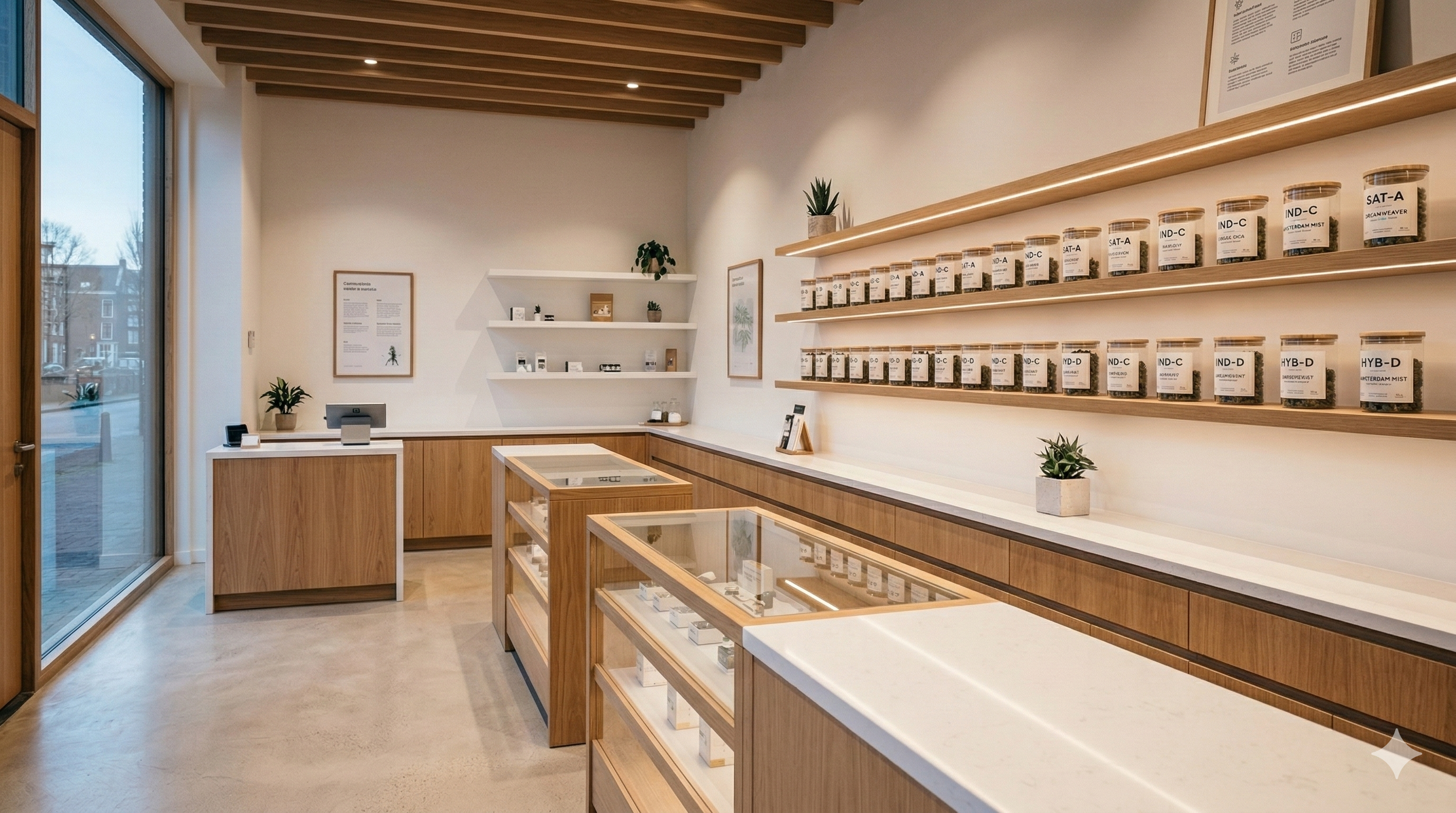
For the average consumer, the experience at the counter is largely the same — you still walk into a coffeeshop, look at the menu, talk to the budtender, and buy your cannabis. The difference is that what you are buying is now legal, tested, and traceable.
Challenges and Growing Pains
The experiment has not been without difficulties. In March 2025, coffeeshop organizations sent a strongly-worded letter to mayors, calling the planned full transition "unworkable" and citing persistent shortages of affordable flower, quality hashish, pre-rolled joints, edibles, and popular legacy strains like Amnesia and White Widow.
Hash quality was a particular sore point — legally produced Dutch hash could not match the characteristics of traditional Moroccan imports, and customers noticed the difference. Supply diversity was limited because only a few of the ten growers were fully operational during the transitional phase, giving producers significant market power.
There were also concerns that supply shortages could push customers toward the illegal street market — exactly the opposite of what the experiment was designed to achieve. However, officials in multiple participating cities reported that the transition went more smoothly on the ground than expected, with no significant spikes in public nuisance or street dealing.
Political Future: The New Coalition Supports Continuation
Following the Dutch general election in October 2025, a new coalition government was formed by D66, VVD, and CDA. The coalition agreement confirmed that the Wietexperiment will continue — good news for the regulated cannabis industry and the participating coffeeshops.
An amendment filed by the ChristenUnie, SGP, and Groep Markuszower to begin dismantling the experiment failed to gain majority support in the Tweede Kamer, where a broad coalition of parties supports cannabis regulation. On March 12, 2026, the Tweede Kamer is scheduled to hold a committee debate on drug policy with the wietexperiment as a central agenda item.
The first meaningful assessment of the experiment's effects — covering crime, public health, and consumer behavior — is expected by mid-2026, when researchers from the Trimbos Institute, RAND Europe, and Breuer Intraval will publish their findings based on data compared against a 2022 baseline.
What This Means for Visitors
If you are planning to visit a coffeeshop in one of the participating cities, the regulated system is actually good news. You are getting safer, tested cannabis with clear labeling. The product selection may be slightly different from what you would find in Amsterdam (which is not part of the experiment), but the quality controls mean you can consume with more confidence.
Check our city pages to find coffeeshops in participating cities like Tilburg, Arnhem, Nijmegen, and Groningen. And for a full overview of rules and tips, read our Tourist Guide to Buying Cannabis in the Netherlands.
Looking Ahead
The Wietexperiment is scheduled to run until at least April 2029, with an option to extend by 18 months. If the research shows positive results — reduced crime, better public health outcomes, and a functional regulated market — it could pave the way for nationwide legalization of the cannabis supply chain. The Netherlands would then complete what it started half a century ago: bringing cannabis fully out of the shadows and into the regulated economy.
For now, the experiment represents the most ambitious government-managed cannabis regulation program in Europe, and the world is watching.