An estimated 24 million Europeans used cannabis in the past year, according to the latest wastewater analysis published by the European Union Drugs Agency (EUDA). The study, the largest of its kind, tested municipal wastewater in 115 cities across 25 European countries for traces of drug metabolites. Cannabis was detected in every single city tested.
The findings, updated on March 18, 2026, paint a detailed picture of cannabis use across the continent. Around 8.4% of all European adults between the ages of 15 and 64 consumed cannabis in the past year, making it by far the most commonly used illicit drug in Europe.
How the Study Works
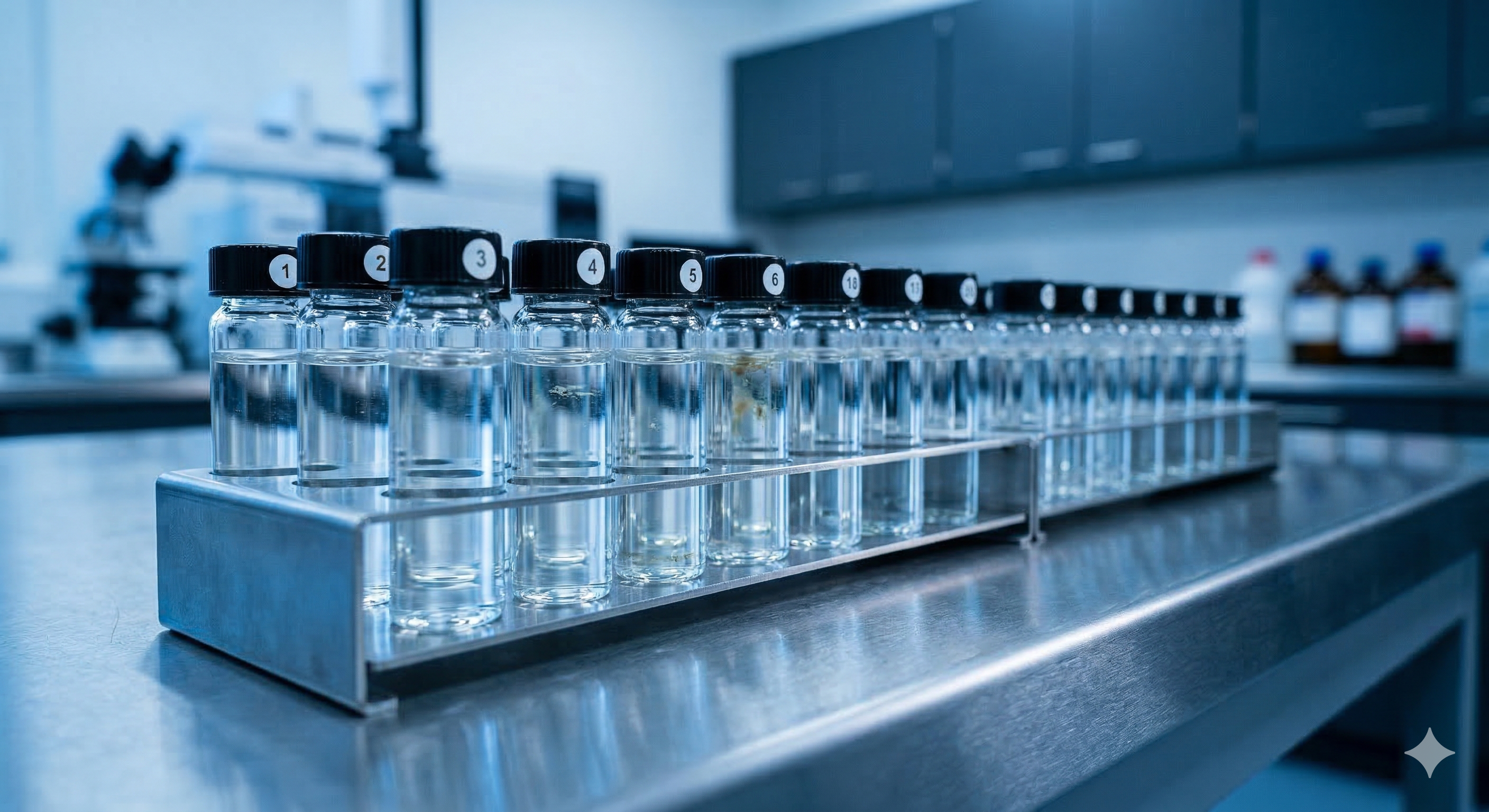
The study is conducted by the Sewage Analysis Core Group Europe (SCORE) in collaboration with the EUDA. Researchers collect 24-hour composite samples of untreated wastewater from sewage treatment plants across participating cities. These samples are analyzed for urinary biomarkers of drug use, including THC-COOH, the main metabolite of cannabis that is excreted in urine after consumption.
By measuring the concentration of THC-COOH in wastewater and combining it with flow rate data and population estimates, scientists can estimate the quantity of cannabis consumed by a community. The method has been used annually since 2011 and has grown from 19 cities in its first year to 115 cities in 2025.
Dutch Cities Among the Highest in Europe
The Netherlands ranked among the highest in Europe for cannabis use. Four Dutch cities participated in the study: Amsterdam, Rotterdam, Eindhoven, and Utrecht. Of these, Amsterdam recorded the highest levels of THC-COOH, followed by Rotterdam, Eindhoven, and Utrecht. Amsterdam placed 3rd in the entire European ranking.
The finding is consistent with the Netherlands' well-known cannabis culture and its network of 563 licensed coffeeshops. A few years ago, Rotterdam was crowned the European champion for cannabis consumption in the same study, demonstrating that Dutch cities consistently rank near the top of the European list.
Cannabis Use Stable Across Europe
Overall, cannabis use across Europe remained stable between 2024 and 2025. Of the 63 cities with data for both years, 21 (33%) reported an increase in THC-COOH levels, 28 (44%) showed a decrease, and 14 (22%) remained stable. The highest concentrations were found in cities in the Netherlands, Germany, and Slovenia.
In a global context, cities in the United States and Canada continue to show higher cannabis metabolite levels than even the top-ranked European cities. This is likely influenced by the more mature legal cannabis markets in those countries, where recreational use has been legal for several years in many jurisdictions.
Other Drug Trends in Europe
While cannabis use remained stable, the study revealed notable shifts in other substances. Cocaine metabolite loads increased by 22% across European cities between 2024 and 2025, with the highest levels found in Belgium, the Netherlands, and Spain. Ketamine loads surged by 41%, with the biggest increases in Slovenia, Portugal, and Sweden. MDMA loads, by contrast, decreased by nearly 16%.
Amphetamine and methamphetamine levels remained largely unchanged overall, though there were signs of methamphetamine spreading beyond its traditional concentration in Czechia and Slovakia into cities in Germany, Norway, and the Netherlands.
Limitations and Value
The EUDA acknowledges that wastewater analysis has limitations. It cannot provide information on how many individuals use drugs, how frequently they use them, or the purity of what they consume. The method also faces challenges with back-calculation accuracy and population estimation.
However, researchers emphasize its value as a monitoring tool. Melissa Boekholt of Utrecht University, who has studied the methodology, has described the measurements as valuable but not a golden standard. She sees the EUDA study as having a signaling function, useful for identifying trends and guiding more detailed research into the reasons behind the numbers.
With 24 million Europeans consuming cannabis annually and the substance detectable in the wastewater of every city tested, the data underscores the scale of cannabis use across the continent, and the ongoing policy debate about how governments should respond to a reality that prohibition has clearly not prevented.
Stay up to date with the latest cannabis research and news on cannabizzz.nl.