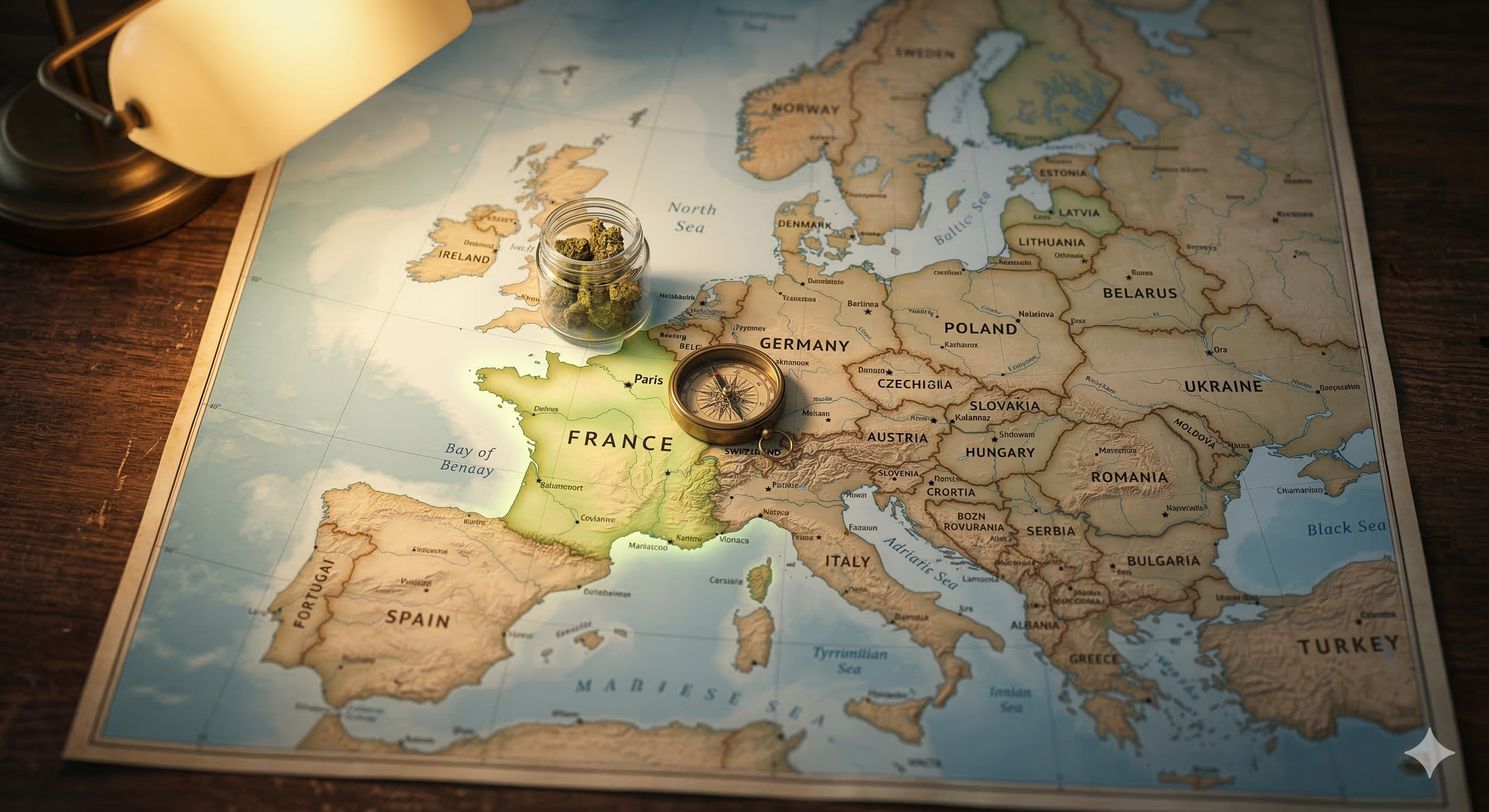
France is about to close one of the longest-running medical cannabis experiments in Europe. On March 31, 2026, the country's five-year pilot program officially ends. The very next day, April 1, a permanent pharmaceutical framework takes its place, one that will shape patient access, pricing, prescriber rights, and supply chains for years to come.
For anyone following European cannabis policy, this is a landmark moment. France is the largest country in the EU by area and the second largest by population. What happens here sends signals to legislators across the continent, from Madrid to Warsaw.
Five Years of Testing
France launched its medical cannabis pilot program in March 2021, originally planned to run for two years. The goal was straightforward: collect clinical data on the safety and effectiveness of cannabis-based treatments for patients with conditions like chronic pain, epilepsy, neuropathic pain, cancer-related symptoms, and palliative care situations.
The program was extended multiple times. Bureaucratic delays, supply chain challenges, and the need for more comprehensive data pushed the timeline further and further. By early 2026, the pilot had been running for five full years, serving thousands of patients who had found relief through cannabis-based medicines when other treatments had failed.
Throughout the pilot, patients received cannabis in pharmaceutical forms only, including oils, capsules, and dried flower for vaporization. Smoking was never permitted. Prescriptions could only be issued by hospital-based specialists, not general practitioners, which limited access but ensured careful medical oversight.
What Changes on April 1
The transition from pilot to permanent regime is more than symbolic. Under the new framework, medical cannabis becomes part of France's standard pharmaceutical system. This means standardized production requirements, formal pricing and reimbursement structures, defined prescriber qualifications, and integration into the national healthcare system.
For patients, the most important change is stability. During the pilot, there was always uncertainty about whether the program would be extended or abandoned. Now, medical cannabis becomes a permanent treatment option with legal certainty.
For the industry, France represents an enormous market. With over 67 million people, even a modest patient uptake creates significant demand. Industry analysts have been watching France closely, particularly because the country has opted for a pharmaceutical model rather than a more liberal approach like Germany's dual medical and recreational system.
No Flower, No Coffeeshops
It is important to understand what France's new framework does not include. There is no recreational legalization, no coffeeshop model, no home cultivation, and no plans for any of these in the near future. France's approach is strictly medical and strictly pharmaceutical.
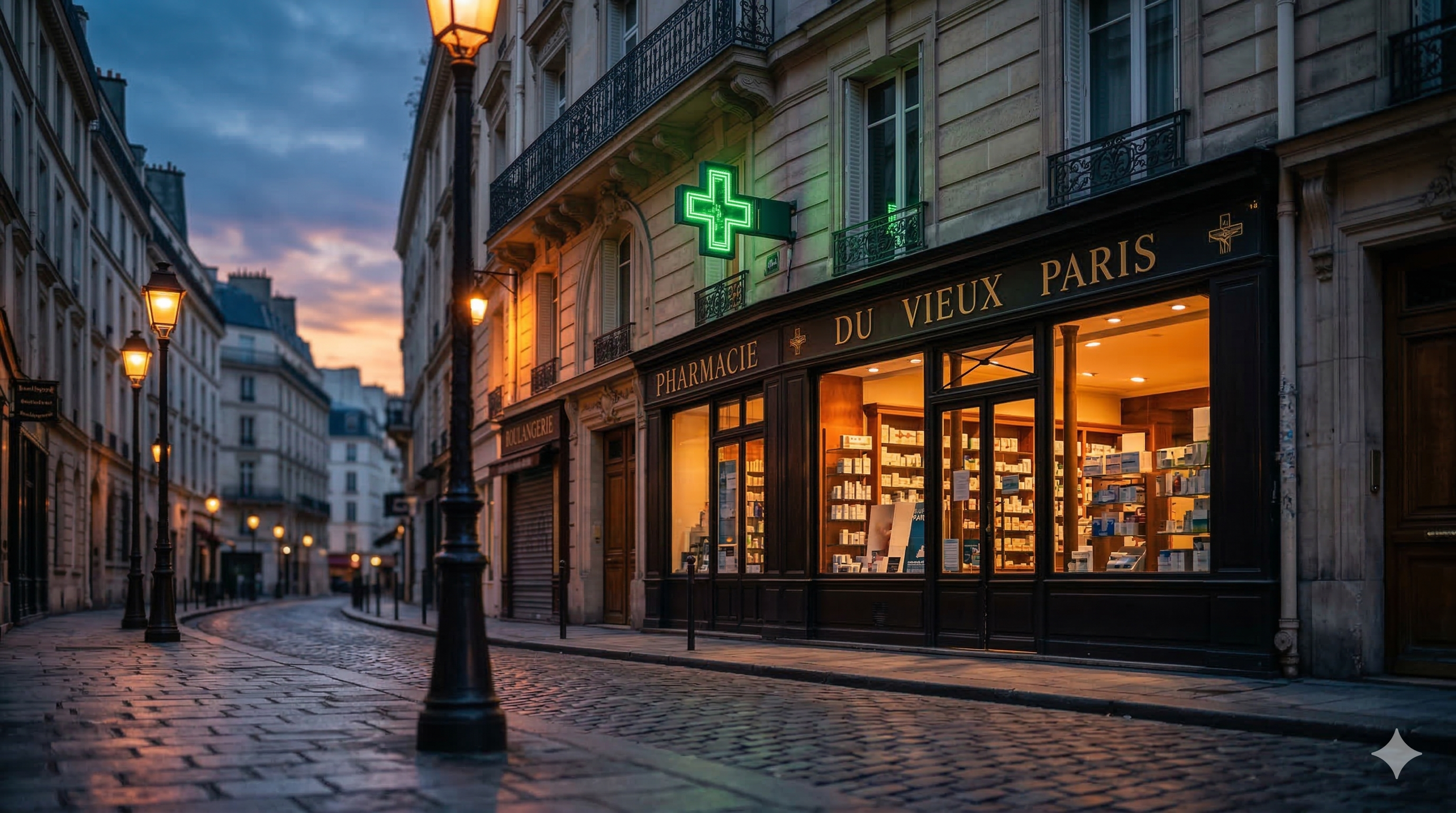
Unlike Germany, where patients can access dried cannabis flower and recreational users can join cultivation clubs, France is keeping its framework narrow and controlled. Cannabis products must meet pharmaceutical-grade manufacturing standards, and distribution will flow through pharmacies rather than specialized dispensaries or retail outlets.
This conservative approach reflects France's broader drug policy stance. Despite growing public support for cannabis reform, French legislators have consistently favored caution over speed. The five-year pilot, originally planned for two years, is itself a reflection of this careful approach.
How France Compares to the Rest of Europe
France's permanent framework arrives at a time when the European cannabis landscape is evolving rapidly. Germany legalized recreational cannabis in 2024 and now has nearly 400 approved cannabis cultivation clubs. The Czech Republic legalized personal possession and home growing on January 1, 2026. The Netherlands continues its regulated supply chain experiment across 10 municipalities.
Among medical-only frameworks, France joins Italy, Poland, Denmark, and the UK in offering legal access to cannabis-based medicines without any recreational component. Each country has its own system and limitations, but the trend is clear: medical cannabis access in Europe is expanding, even in countries that remain firmly opposed to recreational use.
The European medical cannabis market was valued at roughly 3 billion euros in 2025, with projections suggesting it could reach over 13 billion euros by 2034. France's entry as a permanent market participant adds significant weight to those projections.
What This Means for Visitors
If you are visiting France, nothing changes on the recreational front. Cannabis remains illegal for personal use, and there are no coffeeshops, dispensaries, or retail outlets. Possession can result in a fixed fine of 200 euros.
For medical cannabis patients traveling from other countries, France does not currently recognize foreign prescriptions. If you rely on medical cannabis, check the regulations of each country you plan to visit before traveling.
If you are in the Netherlands, the coffeeshop system remains the most accessible way to purchase cannabis in Europe. With 541 coffeeshops across 106 cities welcoming visitors, you can explore them all on cannabizzz. For the latest developments in European cannabis policy, follow our news section.