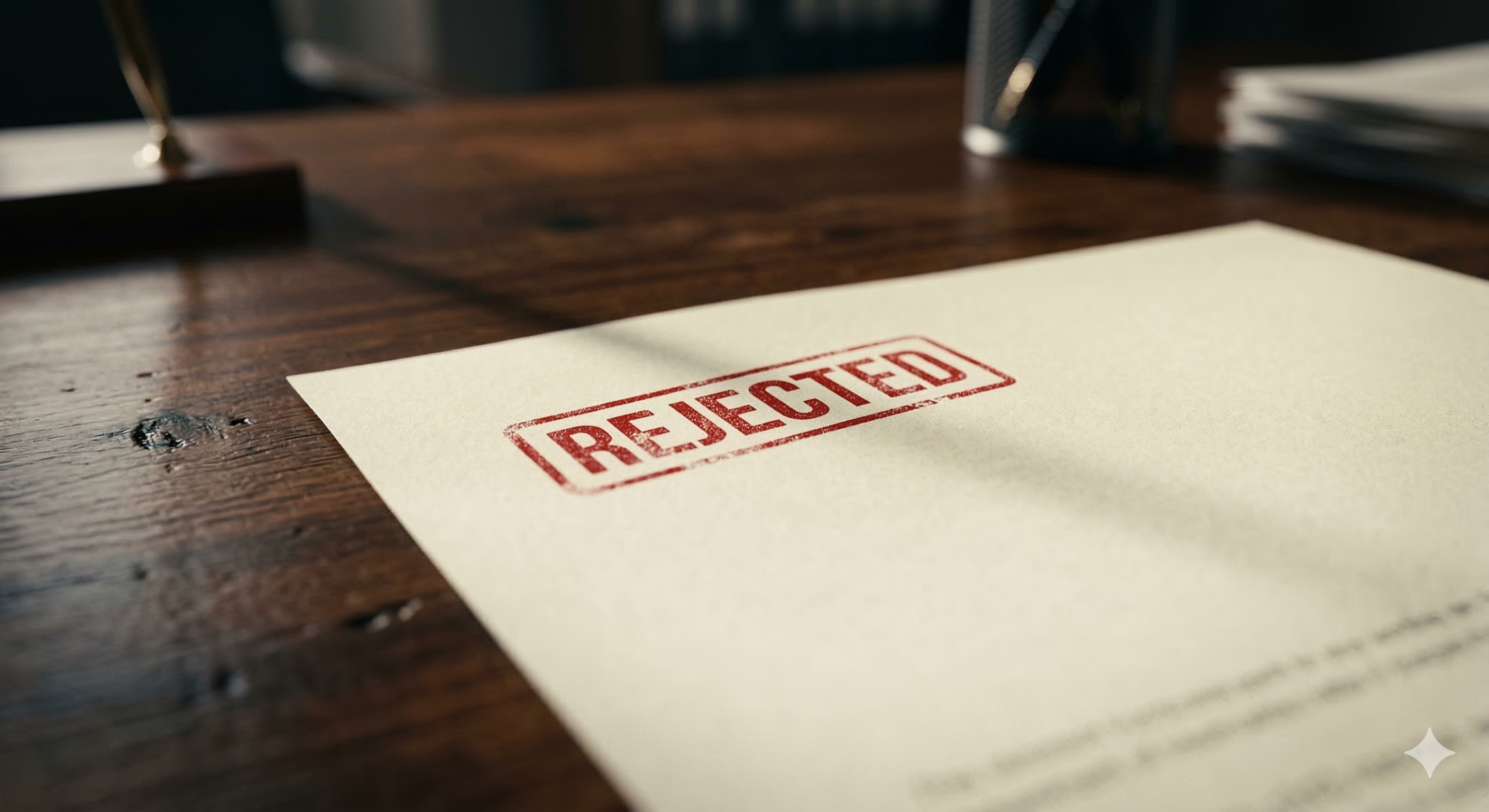
The U.S. Patent and Trademark Office (USPTO) has rejected Snoop Dogg's bid to trademark the phrase "Smoke Weed Everyday," ruling that the iconic catchphrase is too widely used in popular culture to function as a brand name and that the cannabis products it would cover are still illegal under federal law.
The application was filed in 2024 by Dr. ETC Holdco, LLC, the entity that manages Snoop Dogg's intellectual property portfolio. The rapper planned to use the trademarked phrase for a chain of cannabis dispensaries selling marijuana products and related merchandise. Nearly two years later, on March 10, 2026, the USPTO issued a detailed denial on two separate grounds.
Too Popular to Trademark
The first reason for rejection was that the phrase has become so deeply embedded in cannabis culture that it no longer functions as a trademark. The USPTO examiner wrote that "Smoke Weed Everyday" is a song lyric commonly associated with cannabis use, and because consumers are accustomed to seeing it used by many different sources, they would not perceive it as identifying a single company's goods or services.
The phrase originates from the closing line of "The Next Episode," the 2001 hit by Dr. Dre featuring Snoop Dogg, where it was delivered by the late Nate Dogg. In the decades since, it has become one of the most recognizable phrases in cannabis culture, appearing on countless t-shirts, posters, and merchandise across platforms like Amazon, Redbubble, and WeDreams. The USPTO cited this widespread use as evidence that the phrase is "merely informational" rather than a brand identifier.
Federally Illegal
The second ground for rejection is arguably even more significant. The USPTO noted that the application included retail services involving cannabis products. Under current federal law, marijuana remains a Schedule I controlled substance, classified alongside heroin, and the sale of cannabis products constitutes a violation of federal statutes. The USPTO routinely refuses trademark applications tied to goods or services that are unlawful under federal law.

This creates a striking contradiction. Cannabis is now legal for recreational use in 24 U.S. states. The industry generates billions of dollars in annual tax revenue. President Trump signed an executive order in late 2025 directing the expedited rescheduling of cannabis from Schedule I to Schedule III. Yet at the federal level, the drug remains illegal, which means cannabis businesses are locked out of basic protections like federal trademark registration.
Snoop's Cannabis Empire
The trademark rejection does not prevent Snoop Dogg from using the phrase in his business operations, but it does mean he cannot claim exclusive federal rights to the name, making it harder to protect the brand from imitators. Snoop has been building his cannabis empire for years. He launched Leafs by Snoop in Colorado back in 2015 and has since expanded his operations significantly.
He currently operates a dispensary called S.W.E.D., an acronym for Smoke Weed Every Day, in Los Angeles. He also runs a coffeeshop under the same name in Amsterdam. Notably, the acronym version of the brand has made more progress in the trademark process and has received preliminary approval from the USPTO, suggesting that a narrower approach may succeed where the full phrase did not.
A Broader Problem for the Industry
The case highlights a fundamental structural problem facing the American cannabis industry. Even as state-level legalization continues to expand and public support for cannabis reform reaches record highs, federal prohibition creates barriers that affect businesses of all sizes, not just celebrity brands. Cannabis companies cannot access federal trademark protection, face restrictions on banking services, and are subject to punitive tax rules that do not apply to other legal industries.
Trademark attorney Josh Gerben noted that the refusals create a steep uphill battle for the application but added that "fortunately for Snoop Dogg, this refusal affects only the trademark registration, not the activity the phrase famously celebrates."
Snoop's legal team can still respond to the rejection by narrowing the application to federally legal hemp-derived products that comply with the 2018 Farm Bill, or by appealing through the USPTO's review system. But the broader point remains: in a country where cannabis is a multi-billion-dollar legal industry in most states, federal law continues to lag far behind reality.
Stay up to date with the latest cannabis news on cannabizzz.nl.